Mexico’s cartels did not need Ukraine to discover drones. They were already using them. What worries security officials now is the spread of battlefield knowledge from a modern war into an existing criminal conflict. The concern is not that Mexico is importing a foreign war whole. It is that a few trained operators, bomb-makers, or drone specialists could sharpen tactics that are already costing lives in Michoacán, Jalisco, and along trafficking corridors across the country.
A warning, not a settled conclusion
A new warning in Mexico’s security debate centers on combat expertise that may travel home from foreign battlefields. The concern is that criminal groups are seeking people who know more than basic weapons handling. They may want operators trained in FPV drones, field intelligence, camouflage, target tracking, and small-unit tactics.
Public evidence still points to an emerging pattern rather than a fully measured pipeline. Investigators in Ukraine examined whether Latin American volunteers with suspected cartel ties entered foreign fighter units to gain drone training. Mexican authorities were reported to have shared concerns about that possibility. Even if only a few cases prove true, the issue matters. Modern drone warfare does not require large numbers to change the local balance of violence.
Why Ukraine matters
Ukraine’s war has become a fast laboratory for low-cost combat. Small commercial drones are used for scouting, target correction, supply runs, and direct attack. Operators learn how to fly under pressure, evade electronic jamming, work with spotters, and adapt in real time. Those are practical skills that can move from one conflict to another.
That does not mean cartel gunmen are turning into an army. Mexico’s criminal groups remain criminal organizations, not state forces. But they do learn quickly. When a violent group finds a tool that lowers risk and extends reach, others copy it. That is why security specialists focus as much on human expertise as on the drone itself.
Cartels were already changing the battlefield
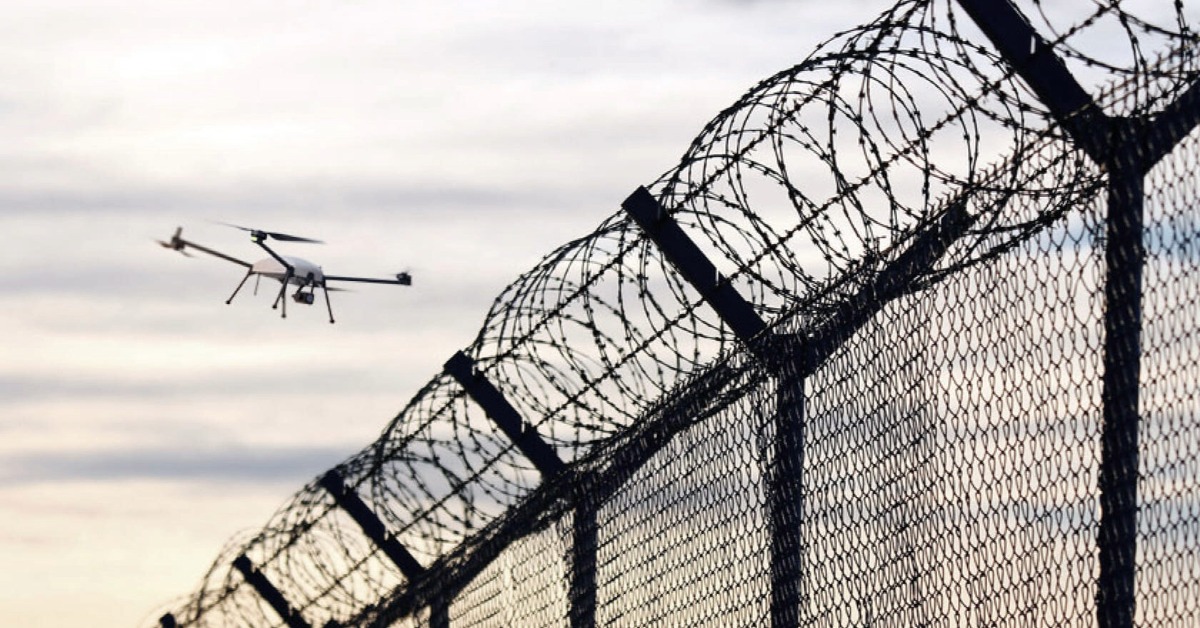
Mexico’s cartels were using drones long before the current warning surfaced. They first used them for surveillance, smuggling, and route watching. Over time, authorities began to document bomb-dropping drones and improvised explosive devices in cartel conflict zones, especially in western Mexico. The change was gradual, but real.
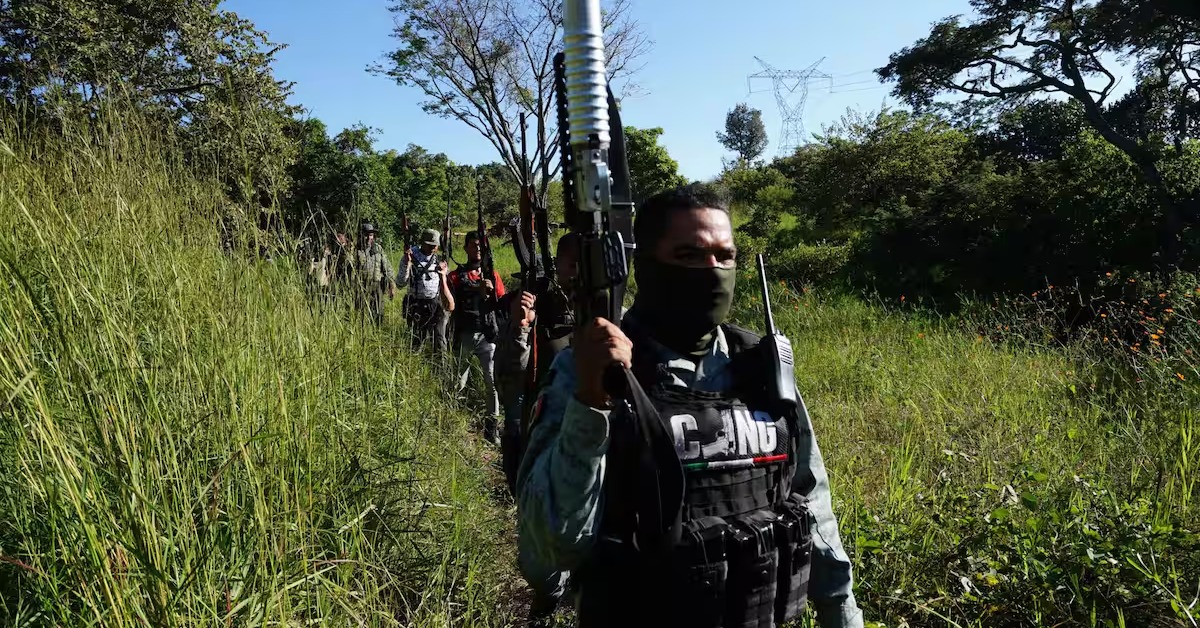
By 2024, the Mexican army publicly acknowledged that some soldiers had been killed in attacks by cartel-operated bomb-dropping drones. The Jalisco New Generation Cartel, or CJNG, has also been identified as a group that pushed the use of drones and mines further than many rivals. That context matters. The concern today is not the arrival of drones in Mexico. It is the possible arrival of better training, better discipline, and better tactics.
That shift also helps explain why the story matters beyond remote rural areas. Along the U.S.-Mexico border, authorities have reported repeated drone incursions linked to smuggling and surveillance. Most of those cases involve scouting or transport, not direct attack. But they show how normal drone use has already become inside criminal logistics.
A global market for violent skills
The story fits a broader pattern. Mexican criminal groups have already been linked to the recruitment of former Colombian soldiers to train gunmen, build explosives, and join turf battles. That shows cartels are willing to shop across borders for experience that can improve their operations. They are not limited to what they can teach inside Mexico.
Seen that way, drone pilots and battlefield instructors become another resource to acquire. A former soldier who knows explosives is useful. A drone operator who understands jamming, thermal detection, and attack angles may be just as useful. The number of such people may be small. In a cartel cell, though, a small number can still matter.
Why this matters on the ground
For people living in Mexico, including many foreign residents, the threat is not only the weapon itself. It is the widening distance between attacker and target. A drone allows a strike, a reconnaissance mission, or an intimidation act without close contact. That can make violence more unpredictable for soldiers, police, rival groups, and civilians nearby.
It also changes the emotional landscape of cartel conflict. A gun battle is noisy and visible. A drone can be harder to spot until it is overhead. Even when the explosive load is limited, the effect can be disruption, fear, and pressure on whole communities. In parts of Michoacán, Jalisco, and Guanajuato, that pressure is already familiar.
What is known and what remains unclear
There is enough public reporting to take the warning seriously. Cartels already use drones in Mexico. Some have used them to drop explosives. Mexican soldiers have died in such attacks. Criminal groups have also shown interest in outside combat experience, including former foreign soldiers. And Ukrainian investigators have examined whether some volunteers entered the war mainly to gain FPV drone training.
What remains unclear is scale. Public reporting has not established how many people made that journey, how much training they received, or how widely those skills have already spread in Mexico. That distinction matters. The strongest version of this story is not that Ukraine has transformed cartel warfare overnight. It is that Mexico’s narco war may be entering a more technical phase, shaped by lessons learned far from its own territory.
For readers trying to understand why this matters, the answer is straightforward. Mexico’s criminal violence has long adapted to new money, new weapons, and new routes. It may now also be adapting to modern battlefield methods. That is a development worth watching before it becomes harder to contain.