Twelve U.S. special operations troops have arrived in Mexico with formal authorization for a months-long training event alongside Mexican special forces. Officials say the program will move between military sites in the State of Mexico and Cozumel, and it ends in mid-July. The deployment is small, but it raises familiar questions about what “joint training” looks like, who oversees it, and why the dates and locations matter. Here is what the authorization covers, where it will take place, and what comes next.
What the authorization allows
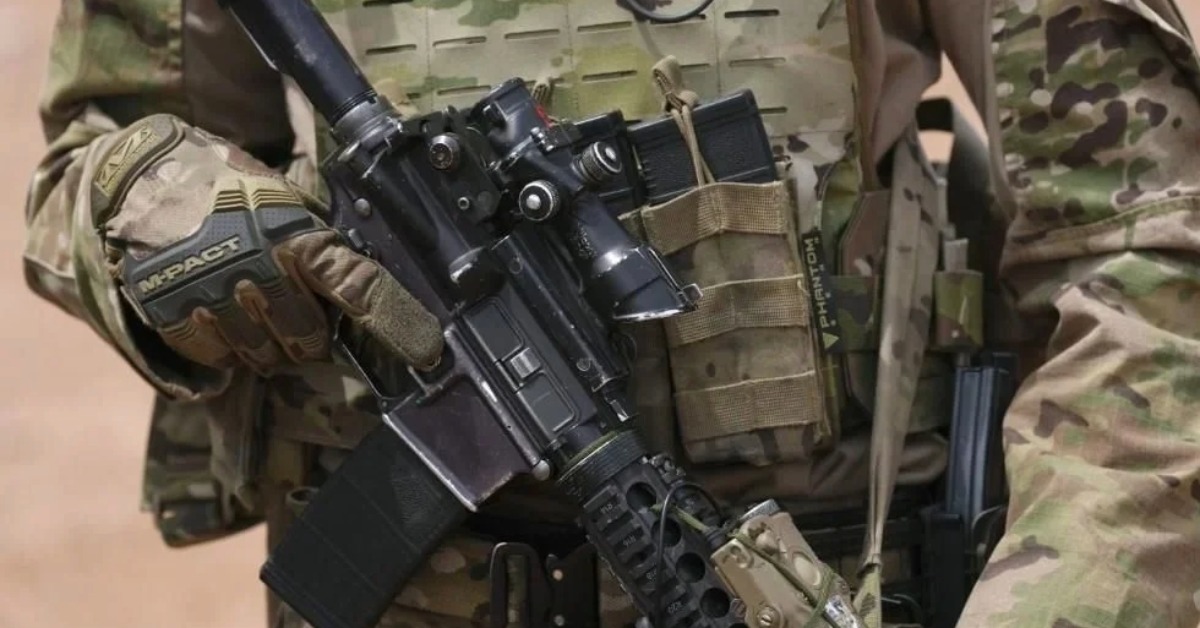
Mexico authorized the entry of 12 U.S. special operations troops on February 27, 2026, for a joint training program with Mexican special forces. The group belongs to the 7th Special Operations Group under U.S. Northern Command’s special operations component. The authorization allows them to enter with their armament and to move under a defined itinerary. The training event is identified in the decree as SOF1 Capacitación MEXSOF (Defensa). Officials describe it as specialized instruction and interoperability work focused on defense tasks. The approval was granted by Mexico’s Senate earlier in February and later published as a federal decree. The authorization sets a clear end date, July 15, 2026, and limits activities to the listed military facilities. It also establishes the official arrival and departure points, keeping movement on military airfields and under military control. For residents and expats, the key detail is scope. The decree describes training, not operational patrols or enforcement. Any activity outside the facilities would require separate authorization.
Where the training will take place
The itinerary places the team first in the State of Mexico. Training will run at the Centro de Adiestramiento de Fuerzas Especiales in Temamatla. It will also use the Centro de Adiestramiento Regional de la I Región Militar in San Miguel de los Jagüeyes. A third phase is scheduled at Base Aérea Militar No. 4 in Cozumel, Quintana Roo. The authorization also spells out air movements. It notes the delegation will fly on a U.S. Air Force aircraft. The group is scheduled to land at Base Aérea Militar No. 1 in Santa Lucía. It will return to the United States from Cozumel when the program ends. That detail matters because it keeps entry and exit on military installations. The decree does not publish a day-by-day curriculum. It frames the work as tactical training and procedures that require secure facilities. For nearby communities, it is best understood as activity inside bases, not a new security force in public spaces. All three sites are existing Mexican military facilities.
Oversight and limits on the mission
Mexico’s Constitution requires Senate approval for foreign troops on Mexican soil, even for training. In this case, the Senate vote authorized the visit for a fixed period. The vote passed with 91 in favor and six abstentions. It also defined the purpose and the name of the training event. The authorization limits activities to the listed facilities in the State of Mexico and Cozumel. The decree directs the Secretaría de la Defensa Nacional to report results to senators. That report is due within 30 days after the program ends. The requirement is meant to create a record of activities and outcomes. Similar approvals are used for other short-term military exchanges. Earlier in February, the Senate cleared a separate U.S. Navy training detachment in Campeche. Together, the decisions show bilateral security cooperation continuing under defined limits. For readers living in Mexico, the practical takeaway is the time frame. The authorization is not open-ended. If officials sought new missions, they would need another Senate vote.