Two dates frame Mexico’s next economic chapter. The week of March 16 is the kickoff for USMCA review talks between Mexico and the United States. July 1 is Washington’s deadline to decide whether to notify the United States Congress of intended changes. On paper, this is a treaty checkpoint. In practice, it is a test of Mexico’s nearshoring strategy and its dependence on North American rules. The question is not only what negotiators want. It is who gets to define what counts as “North American.”
The integration bargain
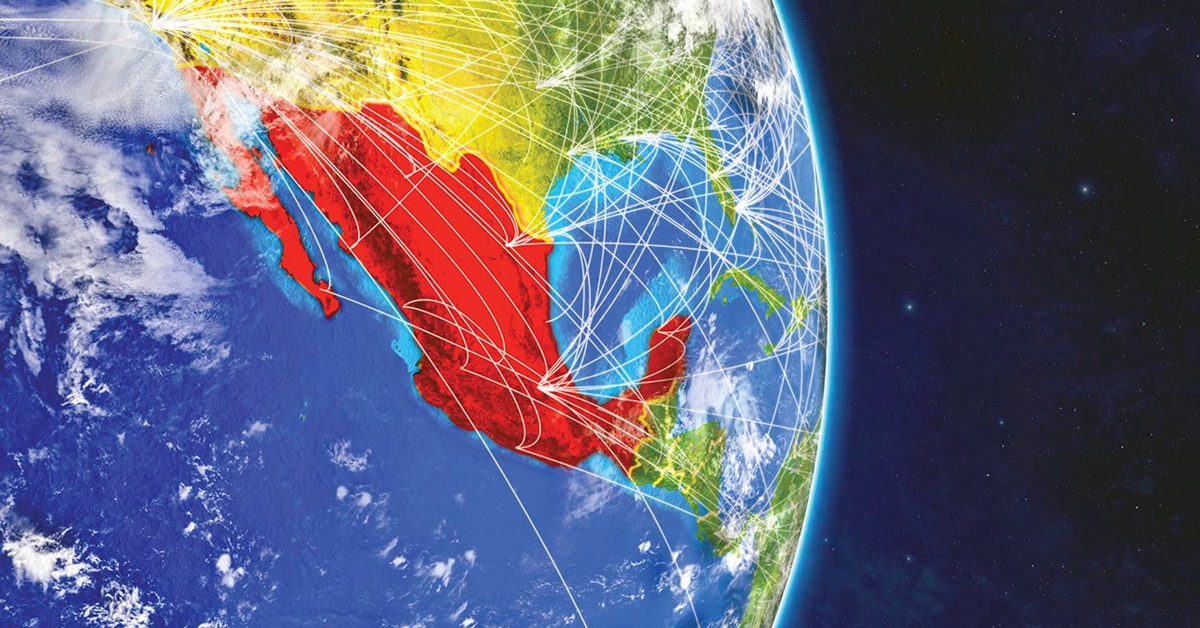
Mexico’s nearshoring pitch is often reduced to geography and labor costs. The structural foundation is North American integration under the USMCA. These rules decide what counts as “regional” production. Nearshoring refers to production moving closer to end markets, often the United States. Nearshoring is, in practice, a bet on stable access to the United States market. Mexico sells most of what it manufactures to the United States. In 2025, the International Monetary Fund estimated that trade with the United States made up about 80% of exports. It also put that exposure at about 27% of GDP. When rules feel stable, that dependence supports investment. When rules shift, the same dependence becomes exposure. That is why the review matters outside election seasons. It tests whether Mexico can continue to scale export manufacturing with predictable access. It also tests whether companies must “re-qualify” Mexico each time the United States policy swings. For many firms, the key question is planning risk, not location. For residents, including many expats, the result can shape jobs, prices, and the peso.
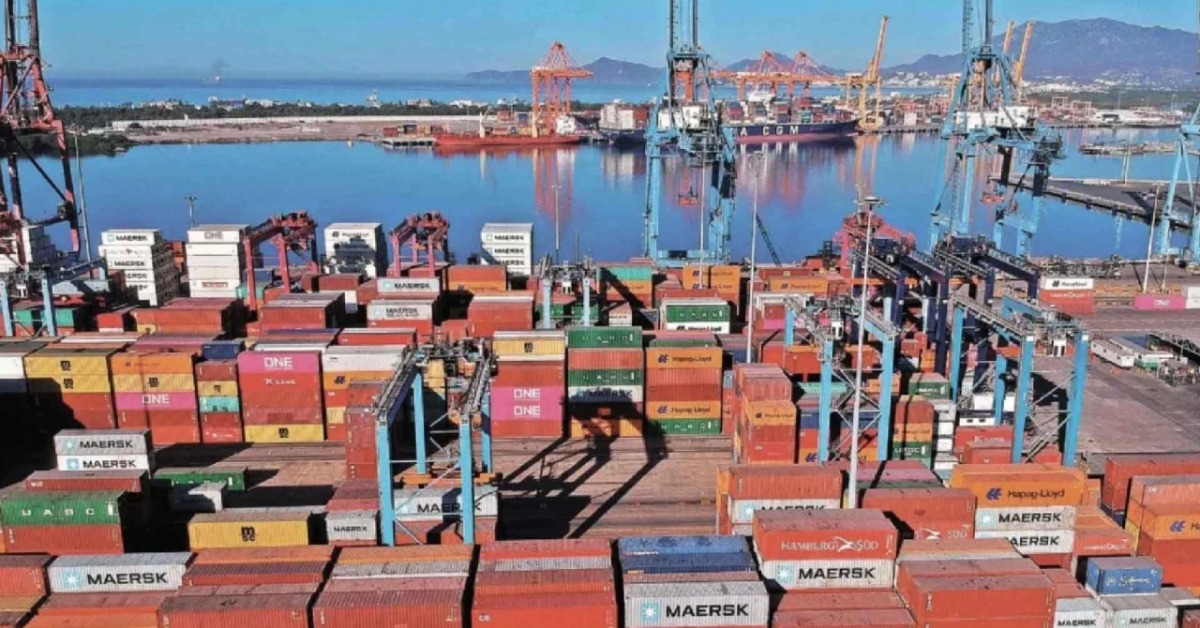
The scale is clear in the numbers that governments publish. A recent trade summary from the Office of the United States Trade Representative makes the scale explicit. It puts the United States–Mexico goods trade at about $872.8 billion in 2025. It lists $338.0 billion in United States goods exports and $534.9 billion in goods imports from Mexico. Most of that movement is not a finished product crossing once. It is parts, subassemblies, and capital goods moving in both directions. One value-added estimate puts North American content near 74 cents per dollar. It implies deep regional input in Mexican-manufactured exports to the United States. The border is where policy decisions become operational costs. Federal freight data identifies Laredo as a leading truck gateway with Mexico. Mexico’s export growth is also concentrated in specific corridors and industrial clusters. When a rule changes, the effects are rarely spread evenly across the country. They tend to show up first, in real time, in the places that live on cross-border schedules.
The review calendar that matters
In early March 2026, United States Trade Representative Jamieson Greer and Mexico’s Economy Secretary Marcelo Ebrard announced new bilateral talks. They cast the talks as the opening move in the USMCA Joint Review. Negotiators expect to meet in the week of March 16, 2026, and then meet regularly. The initial agenda is a clue to where the review may land. Both sides framed the talks as a search for measures that keep the benefits inside North America. They highlighted the need to reduce reliance on imports from outside the region. They also highlighted the need to strengthen rules of origin and improve supply chain security. That framing turns nearshoring into a policy target, not only a market trend. It also signals where pressure could concentrate. Products with high non-regional content are easier to challenge. Enforcement is also easier where customs officers can verify paperwork. Canada is expected to engage on its own track as well. Even so, early bilateral scoping can narrow the choices before any trilateral decisions.
The review clause sits in Article 34.7 of the USMCA. It sets a 16-year term starting July 1, 2020, and a required joint review at the six-year mark. The Commission is supposed to meet on July 1, 2026, to assess the agreement and decide on an extension. If all three governments confirm, the term rolls forward for another 16 years. If they do not, the deal does not end immediately. It shifts into annual reviews for up to 10 years, and it can still be extended later. But the clock then runs toward a July 1, 2036, termination date. In the United States, the law implementing USMCA also created a domestic review process. It required public notice, public hearings, and a report to Congress at least 180 days before the joint review. United States officials have described July 1, 2026, as a deadline to notify Congress if they intend to seek changes.
Where vulnerabilities show up
Most of the leverage in a USMCA review sits in technical chapters. Rules of origin decide whether a product crosses the border duty-free. For autos, the rules are built to be demanding. Passenger vehicles and light trucks are subject to a 75% regional value-content threshold. The agreement also adds requirements tied to steel, aluminum, and labor value content. Those thresholds matter because autos and auto parts are among Mexico’s largest export categories. In February 2026, the United States International Trade Commission launched an investigation into the automotive rules of origin. That process does not rewrite the agreement on its own. But it can add evidence and political support for later changes. For Mexico, the risk is not one rule in isolation. It is the possibility that a rule tightens faster than supply chains can adapt. In a region where components often cross borders multiple times, each compliance upgrade pulls in new costs and delays.
Tariffs are a lever because they turn compliance into a margin decision. In 2025, the United States tariff policy created a split between USMCA-qualifying goods and everything else. That pushed firms to document origin and adjust sourcing. In March 2025, U.S. Customs and Border Protection issued guidance on these tariffs. It said USMCA-qualifying goods from Mexico and Canada were subject to no additional tariffs. One recent assessment found that USMCA compliance for Mexican and Canadian exports rose sharply in 2025. It moved from under half to almost 80% of trade value. Mexican officials have said they expect compliance to rise further as firms adjust. The pattern shows the vulnerability in Mexico’s model. When the rules reward North American sourcing, Mexico can gain market share. When the rules penalize a category that Mexico dominates, Mexico absorbs the shock first. This is why the March 2026 review agenda focused on reducing dependence on imports from outside the region. It is also why stricter verification and enforcement can matter as much as tariff rates. The export model is not only about winning new investment. It is also about staying inside the definitions that customs agencies enforce at the border.
For Mexico, the main risk is not that USMCA disappears overnight. The agreement allows withdrawal with six months’ notice, but the review clause creates recurring uncertainty. Even a renewal can bring sharper rules in sensitive areas. That is likely where the bargaining will sit. United States officials have already signaled interest in more regional sourcing and tighter rules of origin. They have also suggested the review could run on separate bilateral tracks with each partner. Mexico is exposed because most exports go to the United States market. The Organisation for Economic Co-operation and Development has warned that Mexico is particularly exposed to trade restrictions. For expats, the effects can arrive indirectly. If factories pause hiring or expansion, local service sectors feel it. If compliance costs rise, companies can pass some of those costs on to prices. Border congestion can also move from a policy decision to a supply disruption. That has happened before during border-related closures and staffing shifts. The reviews that begin in mid-March and the July 1 window in Washington, D.C., make the dependency visible.