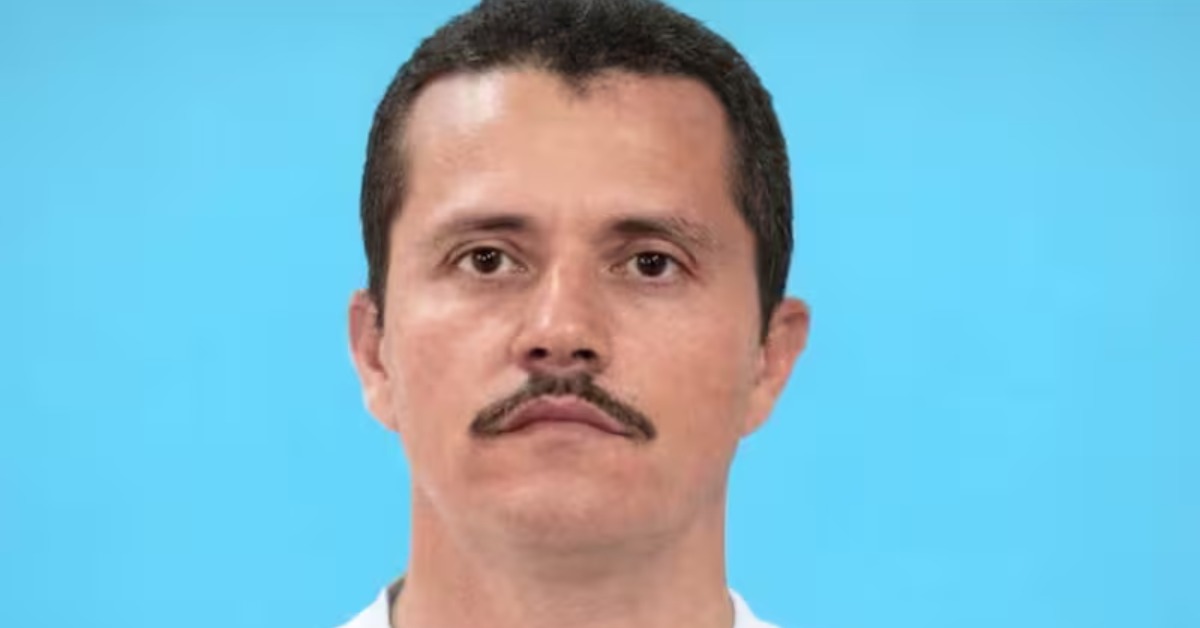
The death of Nemesio Oseguera Cervantes changes the face of the CJNG, but not the structure that built its power. The group expanded through local alliances, cross-border routes, and revenue streams that go beyond drugs. That helps explain why security pressure can continue after a leader falls. This explainer tracks CJNG’s footprint inside Mexico, its reach in more than 40 countries, and the parts of its business model that can keep the organization operating during a transition.
Why the group still matters after Oseguera
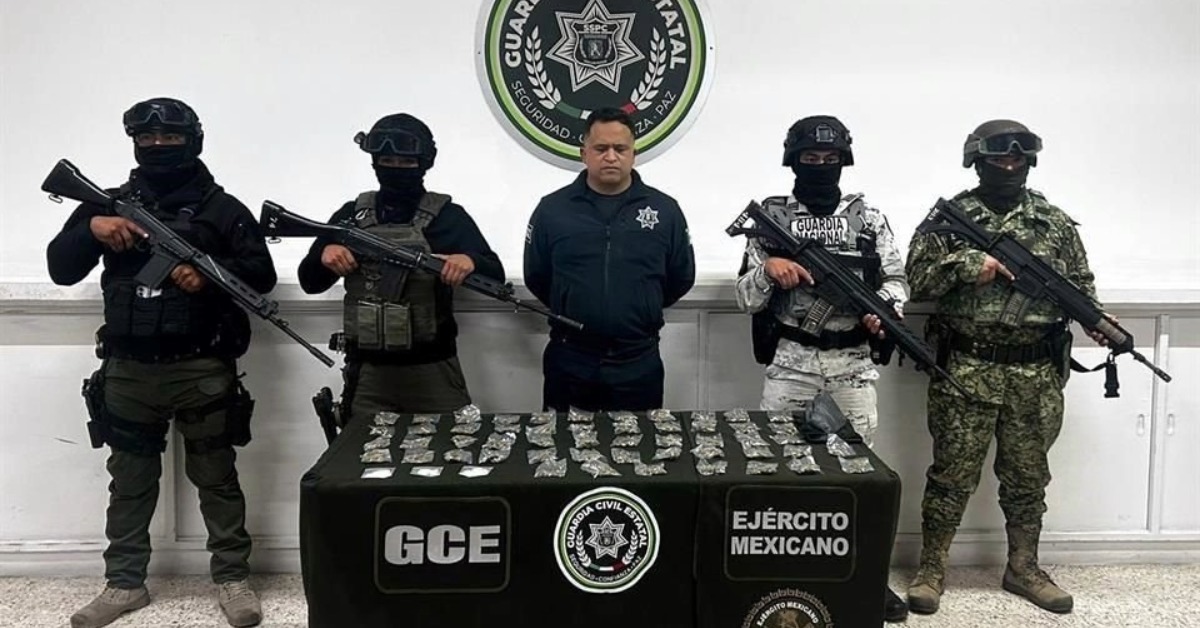
The immediate shock after Oseguera’s death came from the violence that followed the military operation in Jalisco. That reaction showed why the CJNG remains a national security issue even after losing its founder. A cartel’s power is not only tied to one leader. It also depends on routes, local commanders, corrupt protection, and steady cash flow. CJNG spent years building those layers across Mexico. It used alliances in some places and direct coercion in others. It also exerted pressure on authorities through swift retaliation and public disruption. Recent reporting on the February 22 operation and the aftermath underscored that capacity. For expat readers, this matters because local calm can return quickly while the underlying network stays active. The practical risk is often uneven, not constant, and it can shift by city, highway corridor, or state. That is why the current moment is better understood as a leadership change inside an established criminal system, not a clean break.
How CJNG built national reach
Recent Mexican coverage describes CJNG as present in nearly all Mexican states, but with different levels of control. That distinction is important. Presence can mean cells, allies, or logistics. Control means the group sets the rules, taxes local activity, and moves with less resistance. Researchers cited in current reporting say CJNG holds stronger control in parts of western and central Mexico, including its home base. In other states, it competes, negotiates, or shares routes with local organizations. This hybrid model helps explain its durability. If one local operator is arrested, another part of the network can keep working. It also explains why violence rises in some places after a leadership blow, while other areas stay relatively normal. For residents and foreign readers, the key point is that national headlines do not describe identical conditions in every state. Footprint, competition, and local enforcement responses still shape what people experience on the ground.
The international network and the business model
The group’s reach outside Mexico is another reason it remains a major force after Oseguera. Current Mexican reporting, citing U.S. drug enforcement assessments, places CJNG in more than 40 countries. That footprint supports supply chains, money flows, and partnerships beyond a single border. At the same time, U.S. sanctions and intelligence agencies describe a broader business model than drug trafficking alone. Recent Treasury actions say CJNG also earns money from fuel theft, extortion, and timeshare fraud, among other schemes. Those revenue streams matter because they can keep cash moving during pressure on one market. They also link cartel activity to sectors that expats know well, including tourism and property-related scams. Separate analysis from conflict researchers also describes a diversified structure that uses local alliances and territorial disputes to expand influence. When a group can combine drug routes, extortion, and fraud, it becomes harder to weaken with a single arrest or raid.
What to watch in the next phase
The next phase will likely be defined by adaptation rather than disappearance. A leader’s death can slow decisions and trigger internal disputes. It can also push regional commanders to show strength through retaliation. But a network like CJNG can continue operating if routes, finances, and local partners remain intact. That is the core reason its footprint still matters after Oseguera. Recent U.S. and Mexican reporting also points to close attention on succession and possible restructuring inside the group. For readers in Mexico, the most useful question is not whether the cartel survived one operation. It is where control may tighten, where disputes may open, and where criminal markets remain active. Those changes affect highway movement, business confidence, local policing, and daily routines more than cartel labels alone. In the near term, signs of normal activity in one city should not be read as proof that the wider network has been dismantled.