A rare public message from the White House is now tied to events unfolding across Mexico. After a major cartel leader was killed in a military operation, violence spread into multiple states and disrupted travel in parts of the country. Washington says it has seen no confirmed reports of Americans harmed so far, but is urging U.S. citizens to take official warnings seriously. What changed, what is known, and what guidance applies depends on where you are—and what security operations are still underway.
Warning from Washington
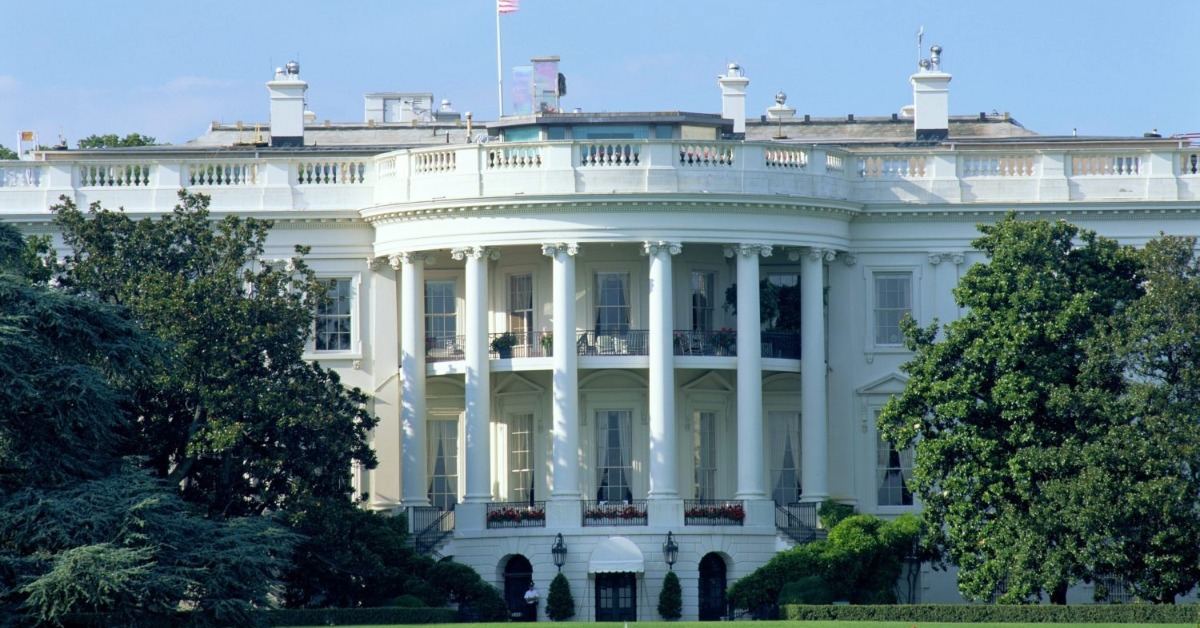
The White House issued a public warning on February 24, 2026, telling Mexican drug cartels not to target U.S. citizens. In a televised interview, Press Secretary Karoline Leavitt said cartels “know not to lay a finger on a single American”. She added that attackers would face “severe consequences” under the current administration. Leavitt said the administration had no confirmed reports of Americans hurt, kidnapped, or killed in the unrest. The message came as images of roadblocks and burned vehicles circulated from several Mexican states. The White House also urged Americans already in Mexico to follow U.S. State Department guidance. That includes watching for local security alerts and adjusting plans when officials warn of active operations. The U.S. message did not change Mexico’s travel advisory, but it underscored the risk of rapid, localized violence. For expats, it is a reminder to base decisions on current conditions, not routines. It also signals a focus on preventing attacks that involve foreign nationals.
Why the warning came now
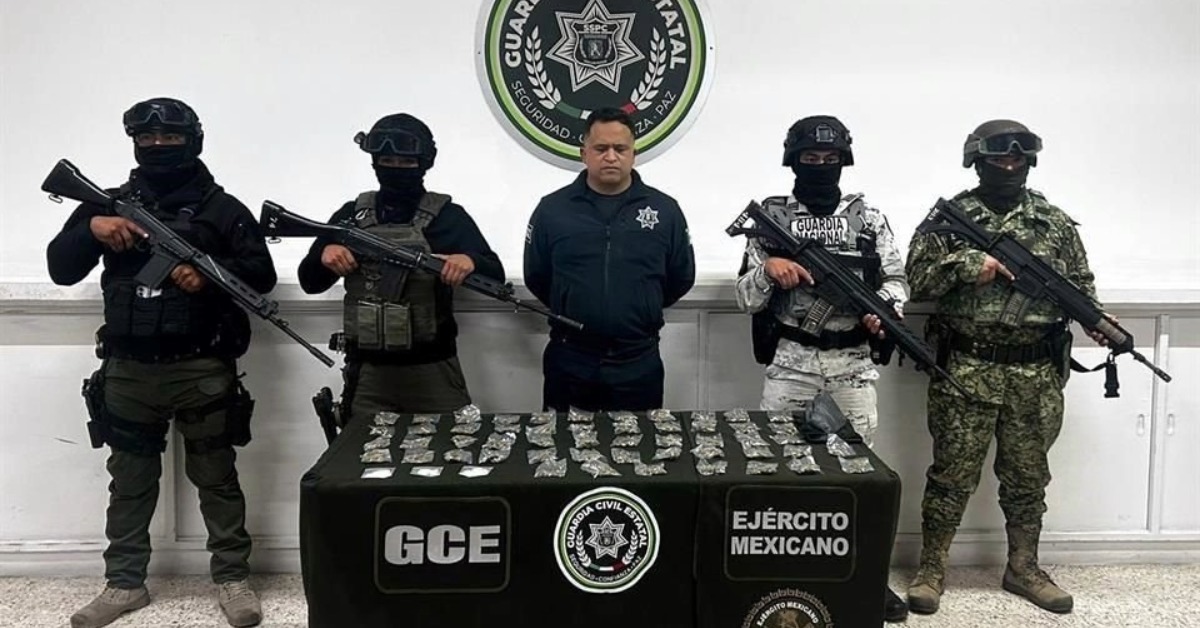
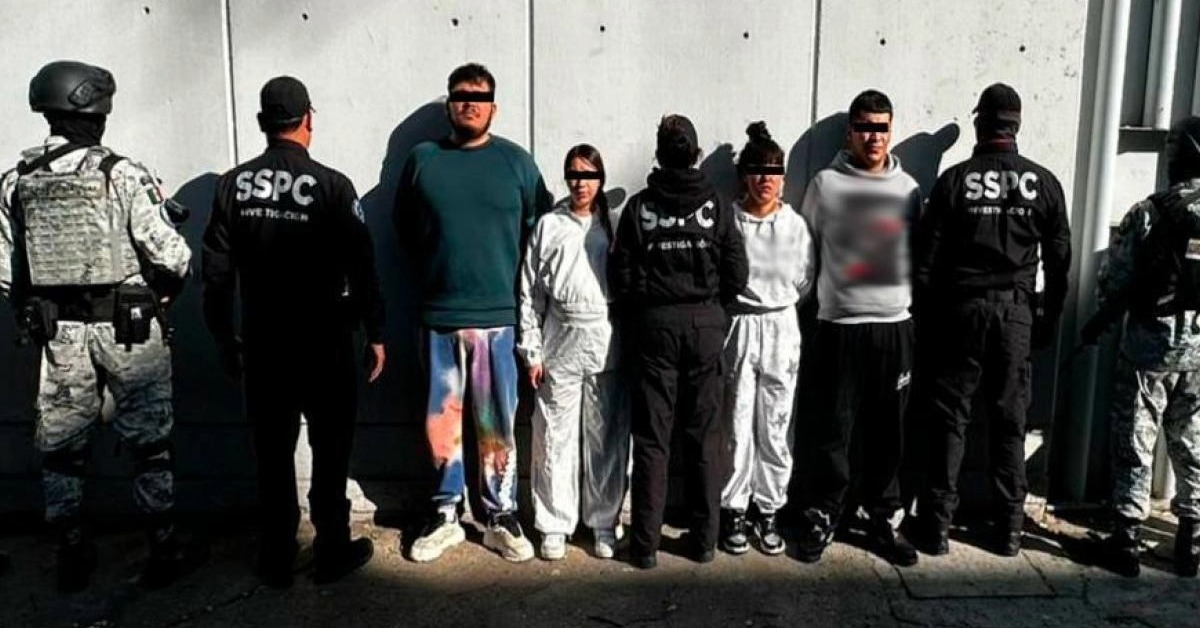
The warning follows the death of Nemesio Oseguera Cervantes, known as “El Mencho,” the leader of the Jalisco New Generation Cartel. Mexican authorities say he died on February 22 during an operation near Tapalpa, in Jalisco state. Officials described exchanges of gunfire, followed by a pursuit into wooded terrain. They said the operation involved army units, National Guard elements, and aircraft support. Authorities said Oseguera was found wounded and died while being transported for medical care. U.S. officials have said American intelligence supported the operation. Authorities reported violent retaliation within hours. They said cartel-linked groups set roadblocks, burned vehicles, and attacked government sites and security forces. Mexican officials reported 85 roadblocks recorded on Sunday and dozens of arrests across several states. They also reported deaths among National Guard personnel and suspected cartel members, along with a civilian bystander. Flight schedules were disrupted in parts of western Mexico, including routes linked to Guadalajara and Puerto Vallarta. Some communities reported short-term business closures and service interruptions.
What guidance applies to Americans in Mexico
For expats and visitors, the main challenge is that conditions can differ sharply by state, city, and even highway corridor. U.S. government travel guidance for Mexico is issued by the state and is updated when risk levels change. During the recent unrest, U.S. security alerts advised people in affected areas to shelter in place and limit movement. The same alerts urged travelers to avoid zones with active law enforcement operations. They also warned against approaching roadblocks or detours set by unknown groups. If you need to travel, the safest choice may be to delay until authorities confirm routes are open. For air travel, check flight status directly with carriers and expect short-notice changes. The State Department also encourages enrollment in the Smart Traveler Enrollment Program, which pushes official alerts to registered travelers. For residents, keeping copies of ID documents and a plan for contacting family can reduce confusion during disruptions. Employers and schools may also issue their own guidance during disruptions.
What to watch next
Mexican officials have said conditions began stabilizing after the first surge of retaliation, but security operations are continuing. The near-term risk is less about a single headline and more about renewed flare-ups tied to arrests or clashes. Watch for signs that roadblocks are returning on key corridors and for any new shutdowns affecting airports or schools. Changes in official guidance, including shelter advice, are practical signals indicating when movement is safer. Another indicator is whether local authorities report that major routes have reopened and remain passable through the day. For many expats, work and daily errands are possible if neighborhoods are calm, but longer drives can carry different risks. The White House warning signals close U.S. attention to any threats involving Americans. It does not replace local decision-making. In the coming days, the safest approach is to track official updates for your state and to avoid unnecessary travel when operations are active.
With information from N+ (NMás), Euronews, Reuters, El País, U.S. State Department Travel Advisory Mexico