
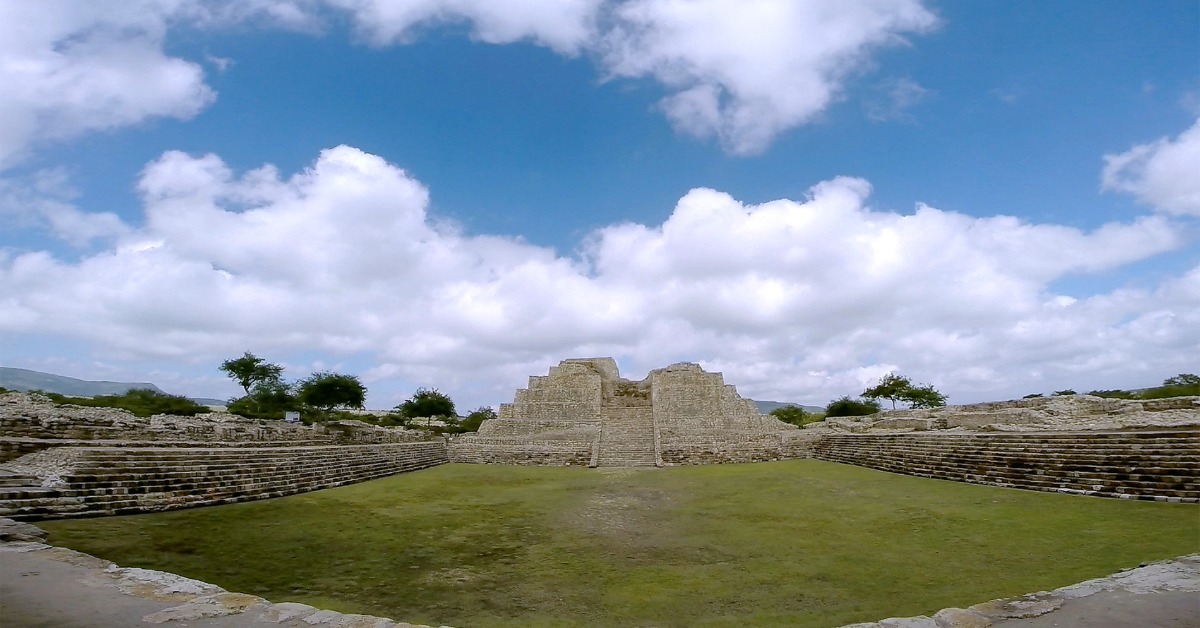
Cañada de la Virgen is a short drive from San Miguel de Allende. For now, tours cannot enter. A federal expropriation decree covering 701 hectares has sparked a court fight. The dispute has kept the archaeological zone closed. Authorities say the move protects a monument area and supports research. The property owners say the seizure is excessive and that due process was skipped. The question now is when, and under whose rules, visitors return again.
A gate closed outside San Miguel
Cañada de la Virgen lies in the countryside outside San Miguel de Allende. Visits have often worked by guided time slots, not open wandering. People typically plan ahead for a set entry hour. That structure helps manage access and protect fragile areas. Researchers link the site to an Epiclassic settlement, with a peak around 600 to 900 CE. It is also tied in scholarship to hñahñu (Otomí) communities in the region. Federal heritage officials describe a multiethnic pre-Hispanic center with ceremonial planning. They also note alignments linked to astronomical observations. For residents and long-stay visitors, it is one of the region’s few public-facing pre-Hispanic attractions. It adds a different layer to San Miguel’s widely promoted colonial circuit. That option is now off the table. State cultural authorities announced on February 10 that, due to federal legal actions, recorridos are suspended until further notice. The closure leaves operators, guides, and visitors waiting for clarity.
The decree and the timeline
The shutdown is part of a broader fight over control of the land around the monument zone. In late October 2025, the federal government published a declaration of public utility on October 24 and 30. The owner was notified on October 28 and given a legal window to respond. After that period passed, a presidential expropriation decree was published on December 31, 2025. The decree covers 701 hectares within the polygon of the Zona de Monumentos Arqueológicos. The stated purpose is public: research, protection, conservation, restoration, and recovery of the archaeological area. On January 22, 2026, federal authorities moved to take formal possession of the land. A government bulletin said the action was carried out through the INAH and framed it as a safeguard of heritage. The same bulletin described on-site technical inspections and plans for signage and security. It also noted coordination with the Guardia Nacional for resguardo work. Federal cultural authorities later issued a statement defending the procedure. They said the steps followed the Ley de Expropiación and were properly notified.
Court fight and tourism fallout
On the other side, the property’s managers argue that the expropriation is broader than necessary and lacks clear justification. In a public statement, they describe the land as an operating ranch and nature reserve. They say the archaeological core was voluntarily donated to the federal government years ago. They also say public access to that established zone was never blocked. Their central claim is proportionality. They argue that 701 hectares of productive land go beyond what the site needs. They also say they have not seen a detailed technical plan to support the scale. The same statement alleges federal representatives demanded control without showing a valid court order. It also describes a later entry by armed security forces and damage to private property. Federal cultural authorities reject claims of abuse of authority and say the process was legal. The owners say they have filed injunctions in federal court. Until judges rule on those challenges, the closure is likely to remain in place.
For San Miguel de Allende, the dispute is not only legal. The city’s economy relies on cultural travel and short-stay itineraries. Local officials say the closure has already paralyzed archaeological tourism linked to the area. Guides and transport services lose a predictable add-on to a weekend plan. Visitors also lose one of the few structured routes into the region’s pre-Hispanic history. For expats, it is the kind of outing that often fills a day with visiting family. The path to reopening now depends on two tracks. Courts must decide what parts of the expropriation can stand. Separately, heritage officials must settle on operating rules for access and security. Federal notices have described technical reviews meant to support an orderly visit. But no reopening date has been announced. Until that changes, the most practical signal will be an official confirmation that tours can resume, with a clear system for entry and permits.