For years, several Chinese car brands entered Mexico through retailers, importers, or master distributors. That model helped them arrive fast, but it also limited control. Now, as sales grow and competition tightens, more brands are opening their own offices, dealer networks, and service systems. The change says a lot about how important Mexico has become, not just as a consumer market, but as a strategic base for Latin America. It could also change what buyers see in showrooms, at financing desks, and at service desks.
Mexico is no longer a test market
For years, several Chinese car brands entered Mexico through local partners. That let them move fast and test demand without building a full operation. Some used retailers. Others depended on master distributors or dealer groups. It was a practical way to enter a crowded market. It also kept costs down. But it limited control over pricing, service, financing, and customer relationships as sales grew.
The numbers help explain why that model is changing. Mexico sold 250,084 light vehicles in the first two months of 2026, up 4.4% from a year earlier. Official sales records also show a wider field of Chinese-linked brands, from Changan and Geely to Great Wall, JAC, Jetour Soueast, Foton, and newer entries such as Zeekr and Lynk & Co. Changan’s official Mexican site lists 67 distributors. This is no longer a niche corner of the market. It is a serious national sales fight.
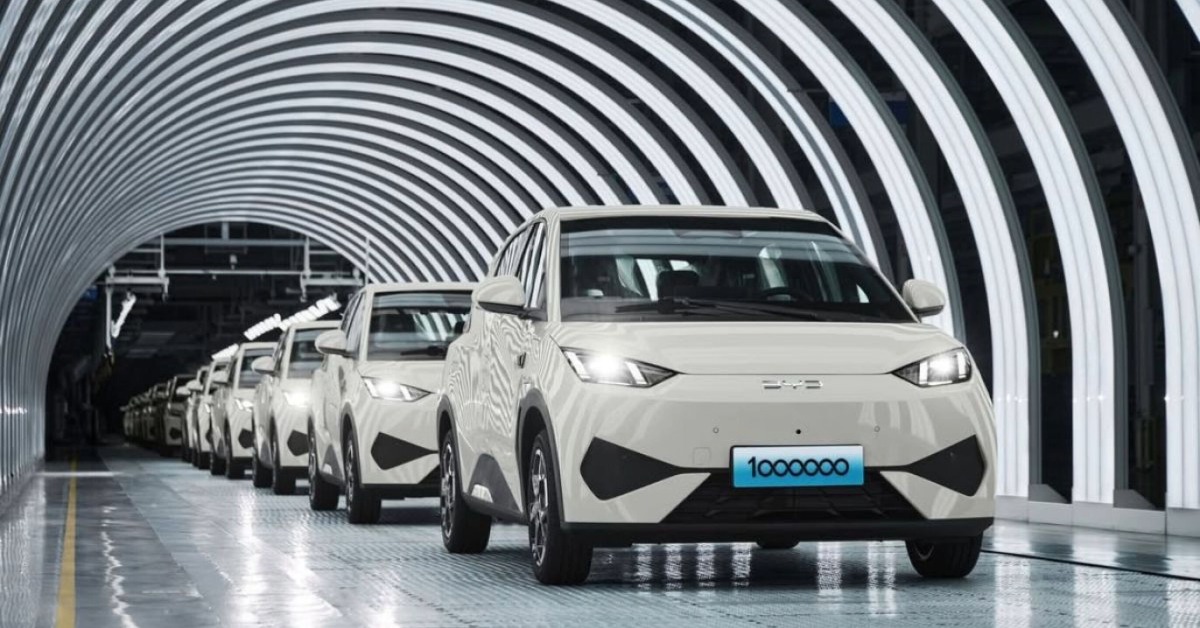
That is why more brands want direct operations and brand-run dealer networks. BAIC is now operating its own agencies. JMC is preparing its own distribution network. Changan has been selling independently since 2023. BYD is also moving beyond the partnership model that helped introduce it to many Mexican buyers. The message is clear. Mexico is no longer a trial run. It is a market that Chinese automakers want to manage more closely.
Why the middleman model is fading
Going direct gives brands more control over the parts that matter most. They can manage pricing, inventory, marketing, and after-sales service with fewer middle layers. They can also move faster on parts supply, technician training, financing, and warranty handling. In a market as competitive as Mexico’s, that matters. Buyers may never see the corporate structure behind a dealership. They do notice when service is slow, parts are missing, or nobody takes responsibility.
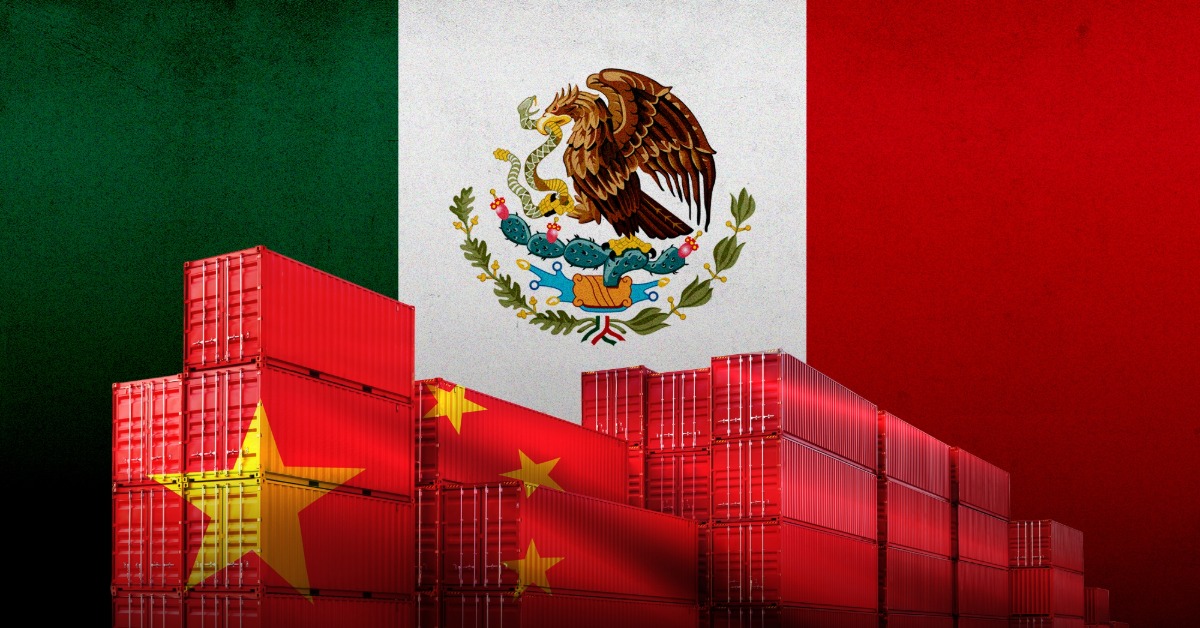
Mexico’s trade policy is also changing the calculation. New tariffs approved for 2026 raised duties on many goods from countries without free trade deals with Mexico, including autos and auto parts. That does not shut Chinese brands out. It does make the old import-only model less comfortable. The more pressure there is on cost, timing, and compliance, the more valuable local control becomes. For some brands, the next logical step may be deeper local investment, not just more showrooms.
That shift is already visible. Some Chinese automakers are looking beyond distribution toward a manufacturing foothold in Mexico. Even when those plans move slowly, the direction matters. It suggests these companies see Mexico as more than a place to unload inventory. They see it as a market worth building around, and possibly a regional base for Latin America. That is a different level of commitment than simply handing a product catalog to a local intermediary.
What buyers in Mexico should watch
For consumers, this story is not only about market share. It is also about accountability. When a brand controls more of the chain, buyers can better see who handles sales, warranties, software, and parts. That does not guarantee a better experience. But it can reduce the confusion that often comes with split responsibilities among the manufacturer, importer, finance partner, and dealer.
It could also intensify competition in ways buyers will notice. More direct operations usually mean more visible branding, more test-drive events, more financing offers, and more pressure on rivals. For expats and other foreign residents comparing options in an unfamiliar market, that could make the showroom landscape easier to read. The bigger question is no longer whether Chinese automakers can enter the Mexican market. It is which ones are building the local structure needed to stay.
The first chapter was about getting into Mexico. The next chapter is about proving staying power. Brands that build local offices, dealer networks, service systems, and supply chains are betting that scale will matter more than novelty. Some will likely succeed. Some will not. But the shift itself says a lot about where the Mexican auto market stands. It is now important enough that Chinese car brands no longer want to be part of it. They want to run their own operation.
With information from El Universal, INEGI, Changan México