A new line in U.S. congressional testimony has widened the frame of the Mexico security debate. The head of U.S. Northern Command said cooperation with Mexican forces helps push back against Russian and Chinese influence while confronting cartels. The phrase is getting attention, but the bigger issue is what it reveals about Washington’s current view of Mexico: not just as a border partner, but as part of a wider homeland security strategy that now blends organized crime, foreign influence, and regional defense.
A phrase that changed the frame
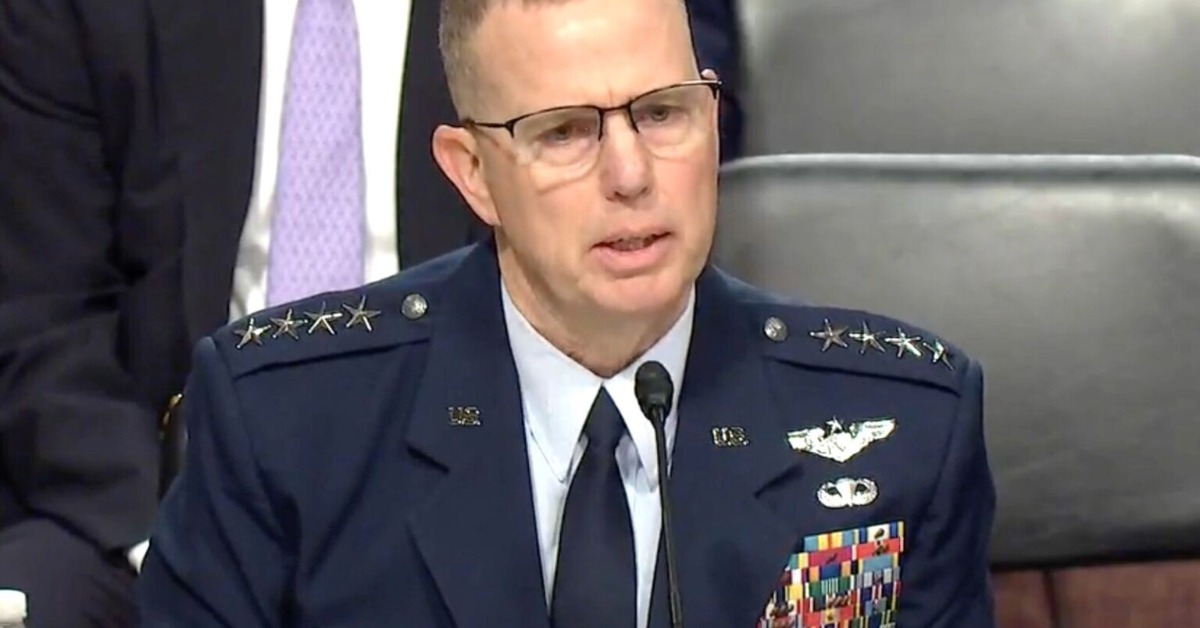
A new U.S. military statement is drawing attention because it places Mexico inside a broader security map. In written testimony dated March 17, Gen. Gregory M. Guillot said U.S. cooperation helps Mexican forces defend their nation against Russian and Chinese influence while also fighting transnational criminal organizations.
That wording matters, but so does where it appeared. It was included in written testimony to Congress, not in a new treaty or a joint bilateral announcement. That makes it less a sudden policy shift and more a public description of how Washington now explains its security ties with Mexico.
The same testimony describes a year-round partnership with Defensa and Marina, Mexico’s defense and navy ministries. It says Mexican personnel trained with the U.S. Army’s 82nd Airborne. It also points to coordinated border patrols, Mexican naval observers aboard U.S. Navy vessels, and a new partnership program with the California National Guard.
Guillot also tied that relationship to the security of the 2026 World Cup. That detail matters for international readers. Mexico, the United States, and Canada are preparing to host one of the largest sports events in the world, and U.S. officials are presenting military coordination as part of that broader security effort.
What Washington seems to mean by influence
One important point is what the statement does not say. Guillot did not identify a specific Russian or Chinese operation inside Mexico. He did not describe a new threat cell, a new military presence, or a new intelligence breach. The phrase was broad.
That is consistent with the language U.S. defense officials have used before. In earlier testimony, U.S. Northern Command described its ties with Mexico and other regional partners as part of a wider effort to counter competitor influence and presence in the hemisphere. In that framework, military cooperation is linked to intelligence sharing, border security, and domain awareness.
In plain terms, Washington is placing Mexico inside two security conversations at once. One is the long-running fight against cartels, fentanyl trafficking, and cross-border crime. The other is the wider U.S. competition with Beijing and Moscow closer to home. The new phrasing shows that those two tracks are now being discussed more openly together.
That does not mean Mexico has entered a new bloc or adopted a new foreign policy line. It does mean U.S. officials are describing the relationship in broader strategic terms. Mexico is being treated not only as a neighbor facing cartel violence, but also as a security partner inside a larger contest over regional influence.
Why this lands carefully in Mexico
That framing lands differently in Mexico because sovereignty is never far from any discussion of security with Washington. The issue has become even more sensitive under the current U.S. administration, which has used tougher language on cartels and repeatedly floated stronger action against them.
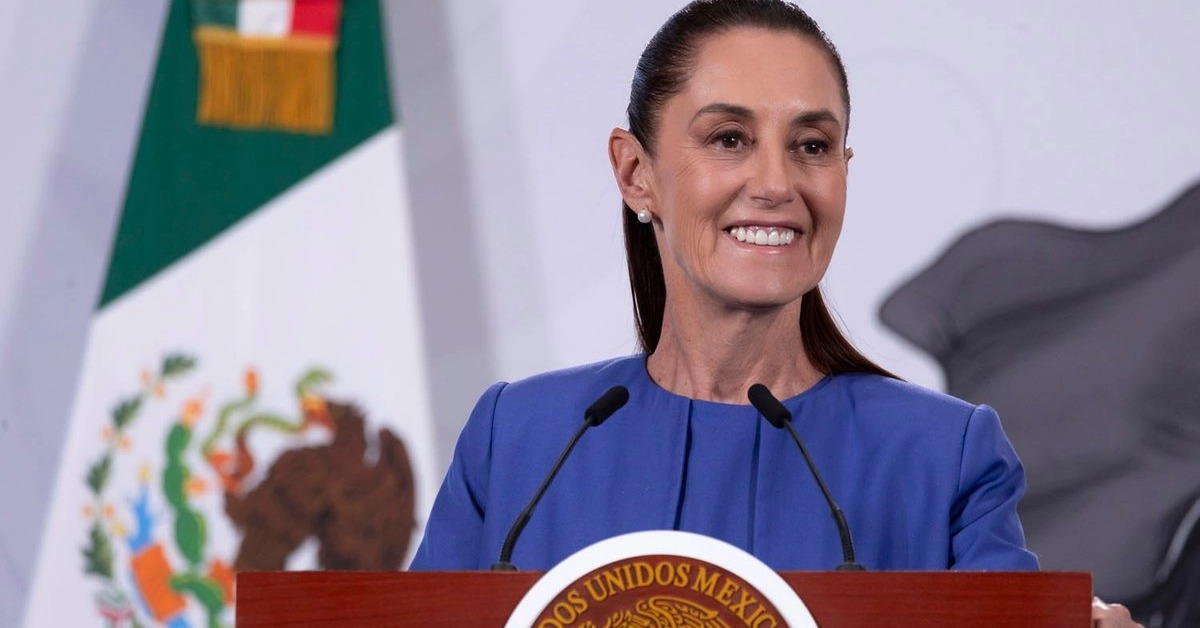
President Claudia Sheinbaum has answered with a clear line. She has said cooperation can continue, but only within Mexico’s sovereignty. She has rejected any U.S. military intervention on Mexican soil. Her government has framed the relationship as coordination, not subordination.
At the same time, the relationship has not frozen. Mexico has continued to authorize formal joint programs. In February, Mexican authorities approved the entry of 12 U.S. special operations personnel for months of joint training in Mexico. The program covered patrols, communications, tactical medicine, counter-drone work, and urban and rural combat.
That matters because it shows the current relationship is active, formal, and structured. Mexico is not cutting off security cooperation. But it is also not relaxing its public red lines. That balance helps explain why a single phrase about Russia and China has drawn so much attention.
What readers outside Mexico should watch next
For international readers, the main takeaway is not that a new alliance was announced this week. The bigger shift is rhetorical. U.S. defense officials are now packaging Mexico policy inside a wider homeland defense framework that blends foreign influence, cartels, and border security.
That could shape how future cooperation is explained to Congress and the public. It could also affect how security planning is described for the 2026 World Cup, joint training, maritime surveillance, and border operations. The language may stay broad, but the policy frame is becoming easier to see.
For Mexico, the challenge is familiar but sharper now. The government wants the benefits of intelligence and security cooperation. It also wants to avoid any suggestion that foreign troops or foreign pressure are setting the terms of Mexican policy. That tension is likely to define the next phase of the relationship.
So the headline is not only about Russia or China. It is about the way the United States now talks about Mexico. The country is being described as a partner in a fight against criminal groups, but also as part of Washington’s wider effort to limit outside influence in North America. That is the real shift behind the remark.