El Mencho’s death has raised uncertainty about CJNG’s next leader. A CIDE researcher argues the key constraint sits at the border: illegal firearms moving south from the United States. Official tracing data shows many recovered weapons link back to US commerce, but totals are disputed. Meanwhile, a US Supreme Court ruling narrowed Mexico’s civil case against gun makers, shifting attention back to enforcement and policy. This report explains the numbers behind the debate and what residents in Mexico should watch next.
A succession question after El Mencho
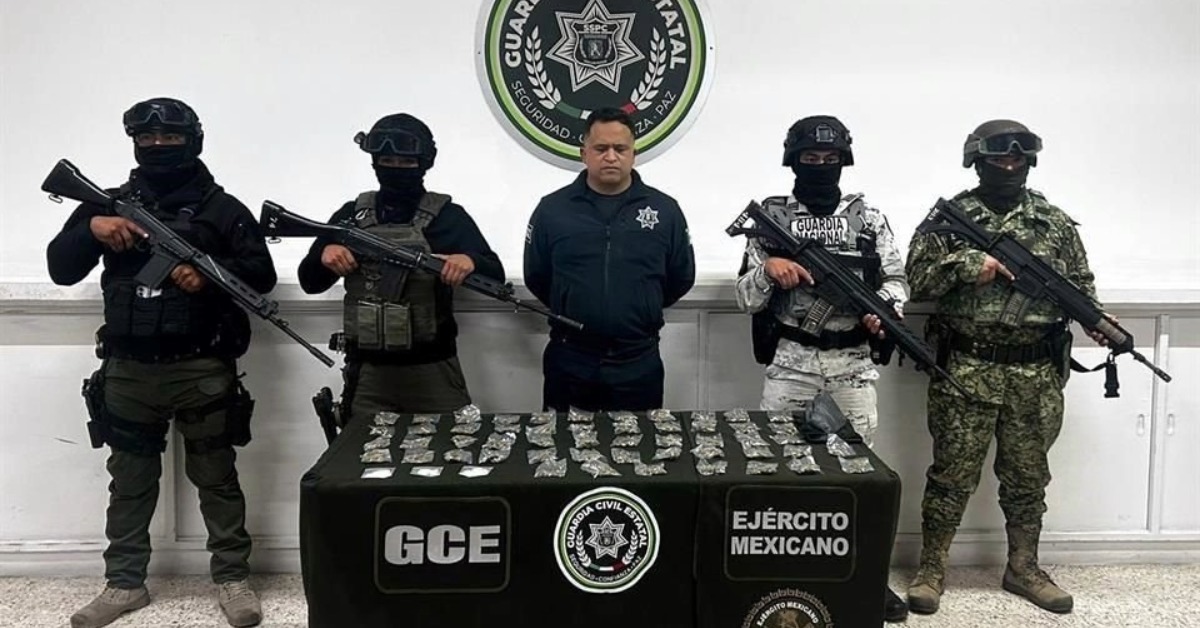
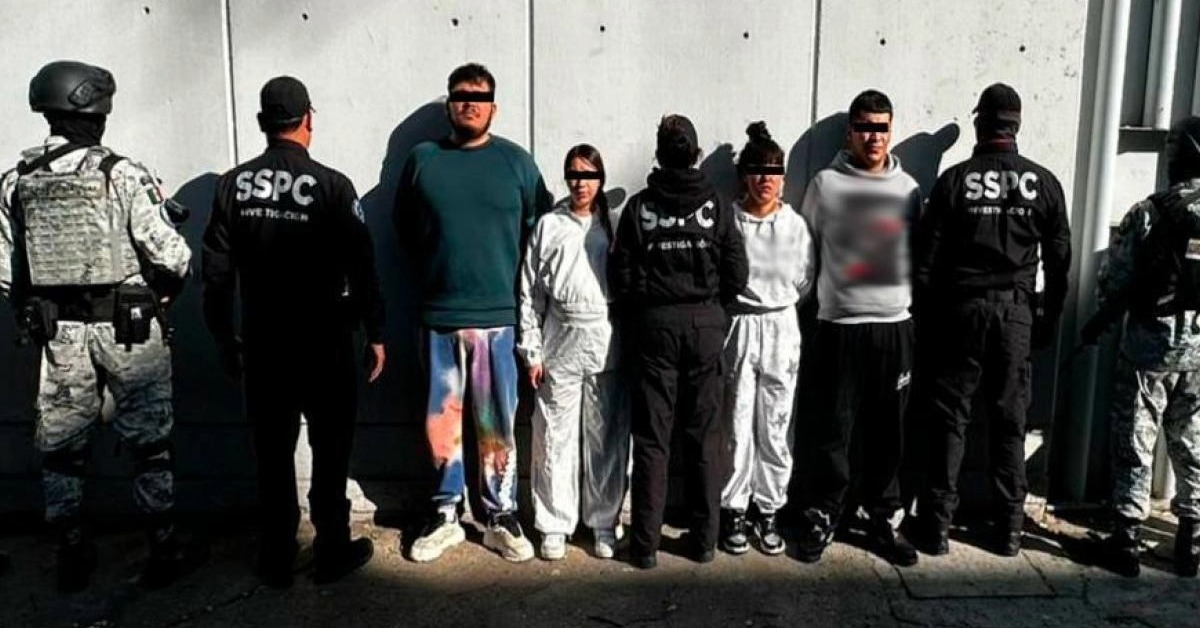
On February 22, 2026, federal forces carried out an operation in Tapalpa, Jalisco. It ended with the death of Nemesio Oseguera Cervantes “El Mencho”, leader of the Jalisco New Generation Cartel (CJNG). His removal has reopened a question: who takes control next, and how violent the handover becomes. Authorities have described signs of internal disputes and reprisals, including narcobloqueos, or cartel roadblocks, in several states. In a televised interview this week, CIDE researcher Carlos Pérez Ricart warned about succession. He said it is hard to stop new bosses while illegal firearms keep arriving from the United States. He cited an estimate of 145,000 illegal weapons a year, about 400 a day, moving south into Mexico. Ricart’s recent book, La violencia vino del norte, frames guns as a central driver of cartel power since 2006. In his account, that flow gives criminal groups the capacity to regroup after leadership losses. He tied the issue to bilateral policy. He said Mexico’s anti-cartel strategy is constrained when the weapons supply line stays intact.
Data points on southbound gun flows
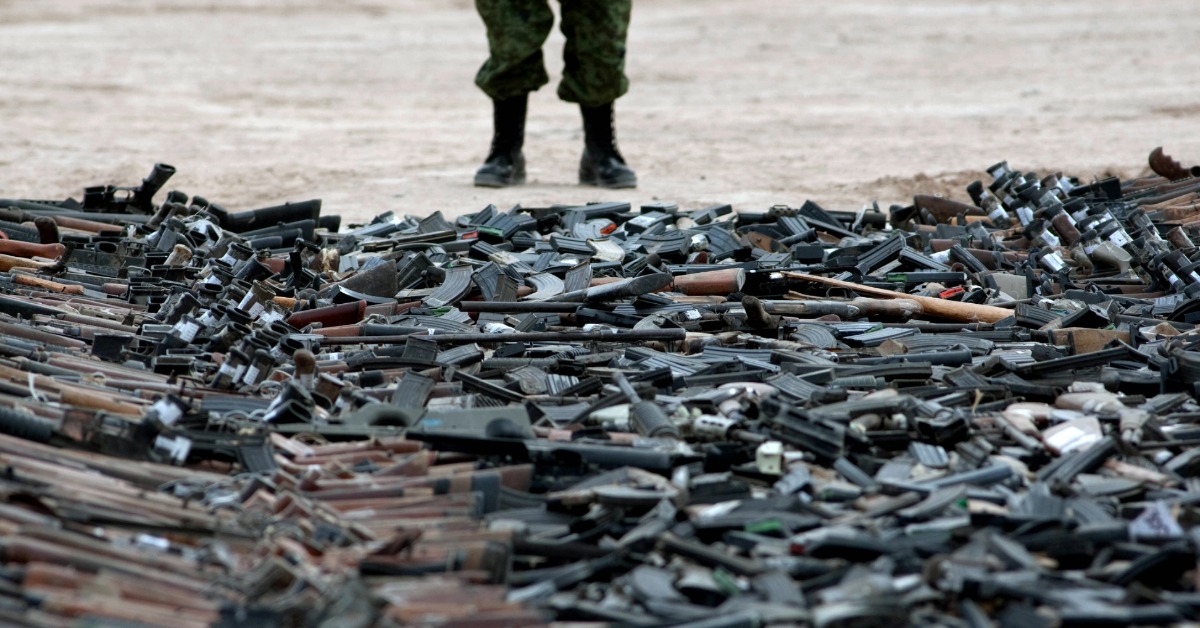
The scale of arms trafficking is difficult to measure, but several data sets point in the same direction. US officials publish annual firearms trace data for guns recovered in Mexico and submitted for tracing. From 2019 through 2024, roughly two‑thirds of those traced guns were classified as US‑sourced. In 2024, the share rose to 70.5%, according to the Bureau of Alcohol, Tobacco, Firearms, and Explosives. That category includes guns made in the United States and guns imported into the US commerce, then diverted. Separate estimates of total smuggling vary widely and often exceed trace counts. Some official estimates place the annual flow at 200,000 to 500,000. The same trace dataset shows a mix of weapon types. In 2024, pistols accounted for 48.6% of traced recoveries, while rifles accounted for 37.5%. ATF cautions that tracing is investigative and not a random sample of crime guns. Even so, the patterns match what researchers describe on the ground. Cartels often rely on straw purchasers, bulk buys, and theft in US markets. Ricart says he has documented cases where one buyer moved 600 to 800 guns south without early detection.
What policy tools remain on the table
Policy debates now sit in the space between criminal investigations and long‑term prevention. In June 2025, the US Supreme Court rejected Mexico’s civil lawsuit against several gun makers. The court ruled that the Protection of Lawful Commerce in Arms Act shielded the companies in that case. That ruling narrowed one route Mexico had used to pressure the gun industry. It did not remove other options for both governments. President Claudia Sheinbaum has pressed the issue in bilateral talks with Washington. A Justice Department assessment published in 2025 described key southbound pipelines and common diversion methods. It said that traced guns recovered in Mexico often originated in Texas, Arizona, and California. The same assessment reported that ATF southbound interdictions rose in 2023 compared with the prior year. US lawmakers have also introduced bills aimed at tougher trafficking penalties and tighter controls on high‑caliber weapons. Mexico, for its part, has pushed for more tracing, more prosecutions of traffickers, and stronger customs screening. Ricart’s warning is that without sustained pressure on the weapons supply, leadership losses stay temporary.
What it could mean for expats in Mexico
For many foreign residents, the immediate concern is not the name of the next capo. It is whether a succession fight changes day‑to‑day mobility and local security routines. After the Tapalpa operation, roadblocks and vehicle burnings were reported in several states. Those tactics can affect highways, public transit, and commercial areas for short periods. Security responses can also be visible, with more checkpoints and patrols near key corridors. Over the longer term, Ricart’s argument points to a different indicator. If the flow of weapons continues, criminal groups retain the means to enforce control and rebuild teams. That can keep pressure on local economies, including logistics, nightlife districts, and tourism services. Conditions still vary widely by state and municipality. Some areas experience concentrated violence, while others experience mostly indirect impacts, such as delays and cancellations. For expats, the practical signal is often operational: sudden closures, official alerts, and changes in local policing.
With information from El Financiero, ATF Firearms Trace Data Mexico, US Department of Justice press release, US Supreme Court, US Government Accountability Office