A Thursday crash on Calle Morelos in central Cabo San Lucas quickly grew into a larger public safety story. Initial reports said a woman had been rushed to a hospital in critical condition after being struck by a public transport unit. Overnight follow-up reporting said she later died. The case now turns on more than the collision itself. Investigators still have to determine responsibility, document what happened to the two minors who were with her, and place the crash inside Los Cabos’ wider debate over pedestrian safety.
What happened on Calle Morelos
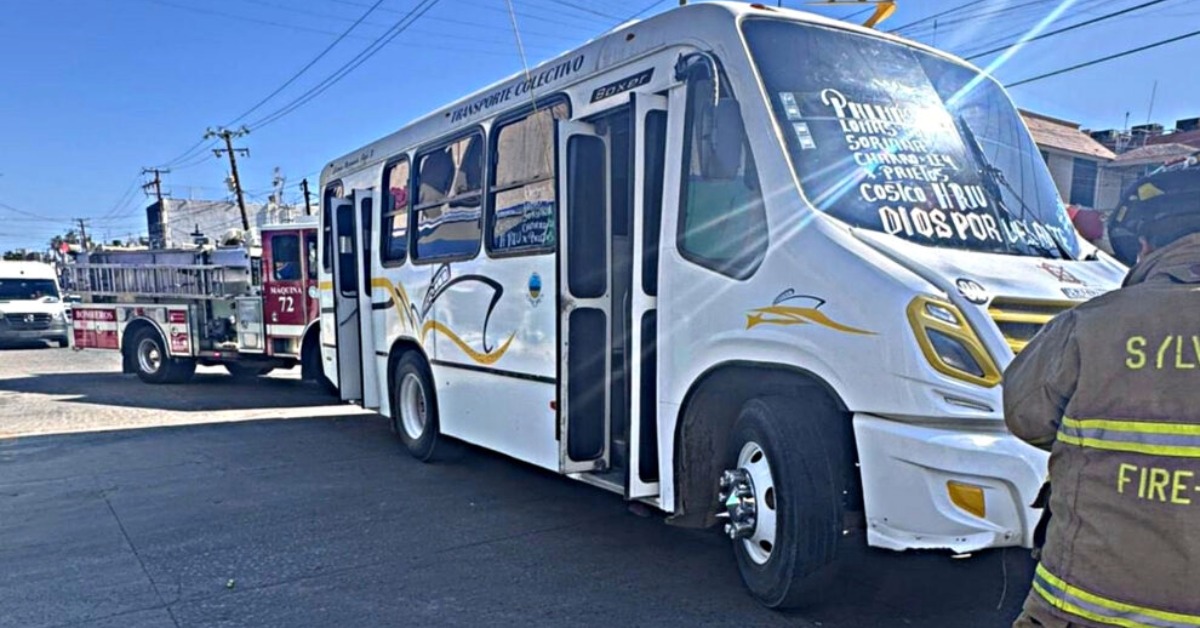
A woman was struck Thursday afternoon by a public transport bus on calle Morelos, in the downtown area of Cabo San Lucas. Emergency crews from the Cuerpo de Bomberos de Cabo San Lucas responded to the scene, treated her there, and transferred her to a hospital in code red, the designation used in the first reports to indicate a critical condition. She was accompanied by two minors, who were placed under protection protocols while officers secured the area and began the first review of the crash.
The first local reports described the woman as alive but gravely injured. Later follow-up reports, published overnight and early Friday, said she died after the collision. That change is important because it raises the legal stakes. A case that begins as an emergency response and an initial traffic review can later move into the criminal sphere if prosecutors conclude the facts support lesiones culposas or homicidio culposo under Baja California Sur law.
Why responsibility was still under review
Authorities said Tránsito y Vialidad and Seguridad Pública took charge of the initial review at the scene. In practical terms, that means the first hours after a crash are about preserving the scene, identifying the people involved, and starting the peritaje that will determine how the impact happened. The early emergency report does not settle fault on its own, even when the injuries are severe.
That matters in Los Cabos because the local traffic regulation assigns duties to both drivers and pedestrians. It also sets out penalties for conduct such as failing to yield to a pedestrian. At the same time, the regulation says pedestrians crossing outside a marked area or an authorized intersection must also yield to nearby vehicles when they pose a danger. In other words, responsibility in a case like this depends on facts that are often unknown in the first reports, including the exact point of impact and what the scene evidence shows once investigators finish their work.
One follow-up report said the driver had been detained and turned over to the Public Ministry. Even so, the legal outcome will depend on the investigation, not only on what witnesses first reported. That is consistent with how the PGJE has handled other recent traffic cases in Cabo San Lucas. Earlier this month, prosecutors announced criminal proceedings in another case involving severe injuries after a driver was accused of failing to respect another road user’s right of way. The broader point is that the emergency phase and the legal phase are related but not the same.
Why this crash matters beyond one case
For many foreign readers, this may look like a tragic but isolated traffic story. In Los Cabos, it also lands inside a broader local discussion about road safety, pedestrian crossings, and the pressure on streets where vehicles and pedestrians meet in the same limited space. The municipality’s own development plan says it wants safer crossings in priority conflict zones, stronger road-safety education, and better maintenance of signage, sidewalks, ramps, and traffic lights.
That local backdrop matters because it shows authorities already see pedestrian safety as unfinished work. The municipality also launched a recent Transformación Vial program that includes repainting road markings, improving street order, and adding traffic-calming measures in high-mobility areas. None of that explains this specific crash. It does, however, explain why a collision involving a bus in central Cabo San Lucas immediately resonates beyond the people directly involved.
A serious crash involving public transport tends to draw special attention because these vehicles are part of daily urban life. When something goes wrong, the discussion usually expands quickly. People ask not only what the driver did, but whether the street was readable, whether crossings were visible, and whether enforcement has kept pace with daily traffic conditions. That is why this case is likely to remain a public story even after the first shock passes.
What happens next
The next steps will likely unfold on two tracks. Local transit authorities will continue the technical review of the crash itself. Prosecutors, meanwhile, will determine whether the evidence supports a criminal case and, if so, under what charge. The involvement of two minors also means authorities will have to document how they were safeguarded after the collision and how responsibility for their care was handled once the victim was taken from the scene.
For readers outside Mexico, the key point is that the first version of a traffic story is often only the beginning. On Thursday, the story was about a woman struck by a bus and rushed to a hospital in critical condition. By early Friday, local follow-up reports said she had died and that the case had moved into a more serious legal stage. That does not answer every question. It does explain why this crash now sits at the intersection of public transport, pedestrian safety, and the still unresolved question of responsibility.