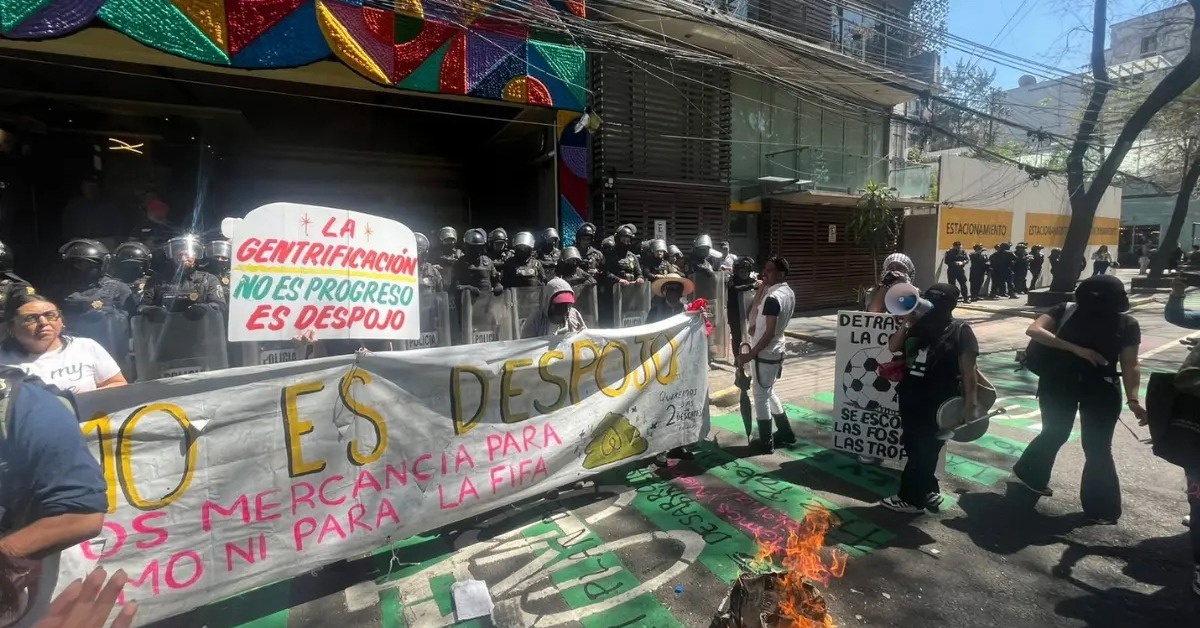
Dozens marched from Chilpancingo through Roma and Condesa to Mexico City’s tourism offices, warning that World Cup 2026 preparations are reshaping housing markets. Protesters used a single word—touristification—to describe how neighborhoods are being optimized for visitors rather than residents. They pointed to rent increases, a surge in short-term listings, and building activity near Azteca Stadium, which they say is outpacing oversight. The city already has rules on paper. The fight now is about enforcement, transparency, and the changes that take effect before June 2026.
Why residents marched
Dozens of residents and neighborhood collectives marched in Mexico City on Friday, February 27, as the World Cup 2026 clock keeps ticking. The group moved from the Chilpancingo area and along streets in Roma and Condesa, ending outside the city’s tourism offices in Cuauhtémoc. Their core message was about touristification. They used the term to describe policies that shape neighborhoods for visitors first. Protesters said the tournament could intensify existing housing pressures. They said the city is being redesigned to accommodate a temporary surge in visitors. They pointed to rising rents, tenant turnover, and the growth of short-term rentals. Some carried signs that linked housing loss to tourism marketing and real estate speculation. Police formed a cordon around parts of the route and the final stop. Participants delivered a petition and held an open microphone outside the building. Organizers framed the march as a housing rights action, not a sports protest. The demonstration broke up without reported damage or major disruptions.
Rent pressure and building sites near the stadium
At the protest site, residents described housing displacement as a daily issue rather than a future risk. They said landlords are ending leases to chase higher returns. They also said families are being pushed to farther boroughs with longer commutes. Protesters argued that the pressure is uneven but concentrated in well-connected neighborhoods. They said small businesses feel the impact when construction blocks sidewalks and access. Protesters cited examples of rents near MXN 8,000. They said some listings now appear at MXN 17,000 and MXN 25,000 a month. Those figures were presented as snapshots from their neighborhoods, not an official survey. A second focus was development around Azteca Stadium in the south of the city. Residents from Tlalpan and Coyoacán said they have tracked new projects they believe lack permits. They pointed to at least eight sites where work continued despite posted closure seals. They also raised concerns about noise, water demand, and traffic tied to these builds.
The World Cup timeline behind the tension
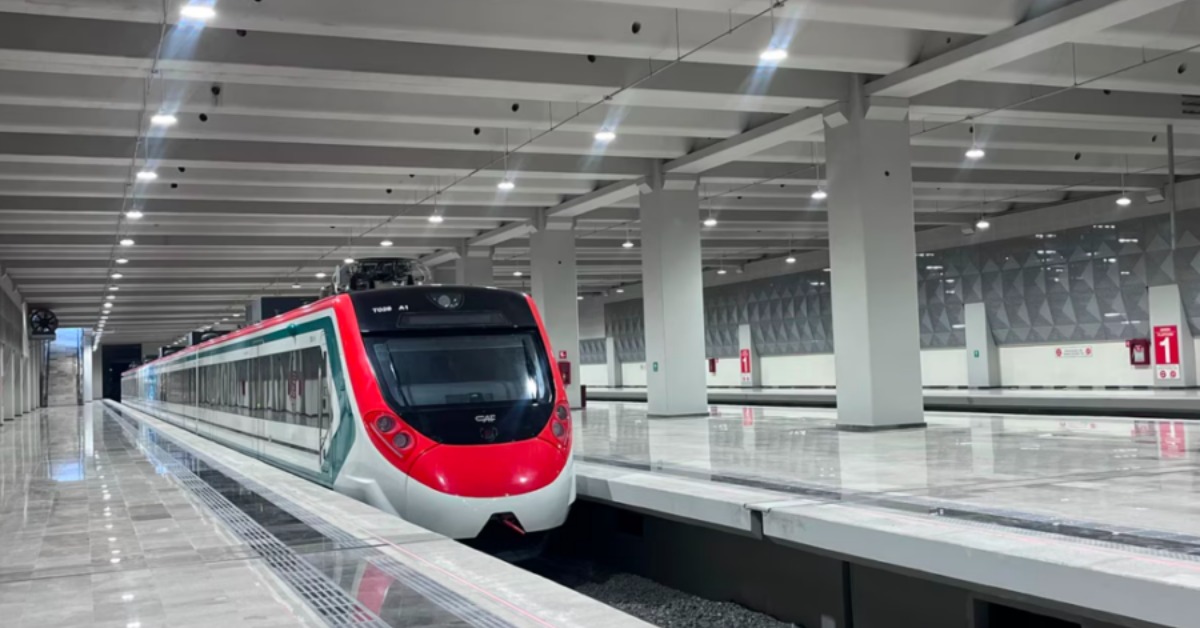
Mexico City is one of Mexico’s host cities for the 2026 tournament, alongside Guadalajara and Monterrey. The opening match is scheduled for June 11, 2026. It will be at the stadium long known as Estadio Azteca, now branded locally as Estadio Banorte. FIFA will use a non-sponsored venue name during the competition. The venue sits in southern Mexico City. Preparations include stadium renovations and nearby mobility work. Officials have highlighted upgrades on routes that connect to the venue in Santa Úrsula. Authorities have promoted fan events and a citywide tourism push tied to the tournament calendar. Protesters say these plans create incentives for rapid building. They also say they encourage converting long-term housing into visitor inventory. Some participants said authorities have eased administrative steps for private developers tied to World Cup-era projects. Officials have not issued a public reply to the petition presented on Friday. That silence is now part of the dispute.
Short-term rentals and what the law says
Mexico City has already moved to regulate platform lodging. Reforms approved in 2024 set a maximum annual occupancy level of 50% for registered short-stay units. That limits many listings to roughly six months of nights each year. The changes also envisioned a host registry and a digital count of occupied nights. Platforms would also face registration duties. Platforms are expected to request proof of registration before offering a property. The 2024 package also restricted short-stay use in certain housing categories. Those include some social housing and some homes rebuilt after the 2017 quake. Supporters said the goal was to return supplies to the long-term market. They also cited competition with hotels. Critics warned about enforcement gaps and off-platform activity. By late 2025, key operating rules were still pending. That left uncertainty about how limits would be monitored. That unresolved question is now colliding with World Cup demand forecasts. Protesters want strict enforcement before visitor arrivals accelerate.
What to watch for next
The next test will be administrative, not symbolic. Residents are seeking published procedures, inspections, and transparent reporting on permits in the stadium corridor. They also want clearer information on the enforcement of the short-term rental cap. They want a clear process for handling complaints. For renters, including many expats on long leases, the immediate risk is instability. It is strongest in high-demand zones near transit and tourist corridors. For property owners, the pressure is a choice between long-term stability and short-term cash flow. For visitors planning trips in 2026, the policy question is capacity. Will the city lean on hotels and regulated inventory, or loosen rules to add supply? The protest suggests the housing debate will stay visible through the tournament build-up. If officials respond with new enforcement actions, court challenges, and further street mobilizations are likely. If there is no response, activists say they will keep organizing in affected neighborhoods.