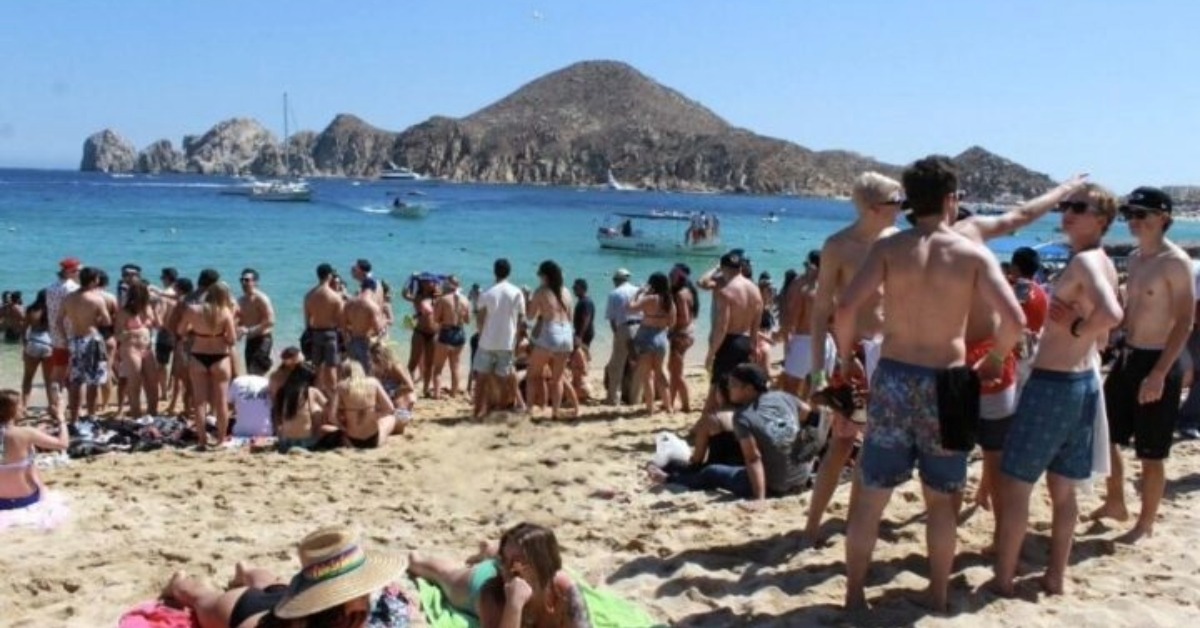
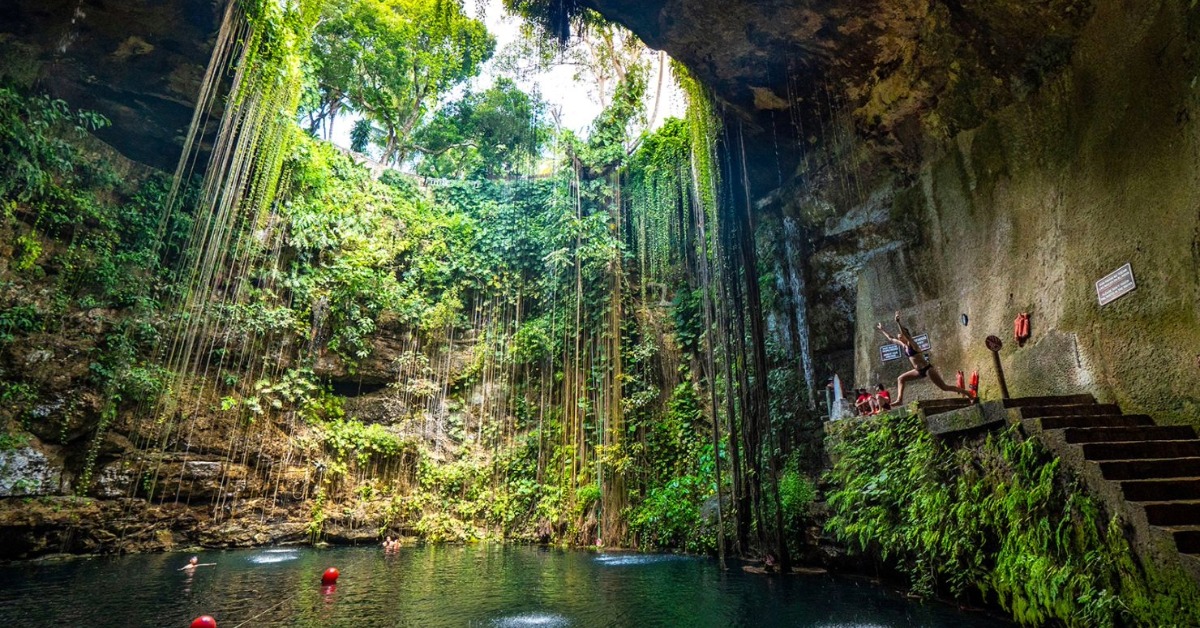
The World Travel & Tourism Council says Mexico has moved into a later stage of the rebound. WTTC President and CEO Gloria Guevara said in Mexico City on February 20, 2026, that Mexico is above 2019 levels. She said the results are also above 2024. She added that the United States and Canada remain below their 2019 benchmarks. The comparison matters because it frames Mexico as a regional reference point for airlines, hotel groups, and investors. It also signals where policy attention may go next. WTTC measures total impact, not only visitor counts. Its method includes direct, indirect, and induced effects across supply chains. That approach can raise headline share of GDP relative to national accounts. For people living in Mexico, the rebound is felt in higher volumes during peak periods and prices in key hubs. It is also visible in new routes and in capacity moving around beaches and major cities. The next test will come quickly. Mexico will co-host the 2026 FIFA World Cup with the U.S. and Canada.
What the recovery looks like in the data
WTTC’s Mexico outlook is based on modeling produced with Oxford Economics. In a June 10, 2025, release, WTTC projected Travel & Tourism would contribute US$281 billion to Mexico’s economy in 2025. It said that equals 15.1% of national GDP under its total-contribution method. The same release projected that the sector would support close to eight million jobs by year-end 2025. That would be about 13% of total employment. WTTC also forecast international visitor spending of US$39.6 billion for 2025. It said it would be 7.5% above 2019 levels. Domestic visitor spending was projected near US$209.9 billion. WTTC described that as above the prior highs. These figures are designed to capture the full value chain. They include suppliers, capital spending, and wage-driven spillovers. That makes them useful for planning, but less comparable to “tourism GDP” in official accounts. WTTC updates these estimates each year as new data are incorporated. Revisions can occur when exchange rates, prices, or travel patterns change.
Mexico’s tourism authorities are also reporting record demand, using different definitions. The federal Tourism Secretariat said 2025 closed with 98.2 million international visitors. That category includes day visitors and cruise passengers, not only overnight travelers. Within that total, it reported 47.8 million international tourists, meaning visitors who stayed at least one night. That was up 6.1% from 2024. The Secretariat also reported foreign-exchange earnings of about US$34.992 billion in 2025, up 6.2%. It also breaks down arrivals by air, land, and sea. INEGI data show where some of the growth came from. Land arrivals rose, while air arrivals were close to flat year over year. That split can change the type of local impact. A border visit often looks different from a week-long stay. For expats, the same split can affect road crossings, airport lines, and how far ahead flights sell out. Domestic travel is tracked separately, and it can drive occupancy even when inbound demand softens.
Why Mexico recovered faster than the U.S. and Canada
WTTC’s North America comparison is partly a story about inbound demand. In the United States, WTTC has projected that international visitor spending in 2025 would remain well below its 2019 peak. Canada’s inbound spending has been forecast to sit only slightly below 2019 levels, but it is still not fully back. Official Canadian data also show a slower return in arrivals, with 2024 international visitation still below 2019 totals. Mexico’s edge has been supported by a large domestic travel base and strong pull from nearby markets. It also reflects an industry that can pivot between leisure and travel to visit friends and relatives. WTTC has credited public policy choices and sustained public-private coordination, including work on connectivity and destination readiness. The comparison does not remove risk. Security conditions and traveler perceptions can shift quickly. They also vary sharply by state and corridor. That unevenness helps explain why national totals can rise while some local markets stay soft.
World Cup catalyst and the bottlenecks
The 2026 FIFA World Cup is the next major variable in the outlook. FIFA has set the tournament dates as June 11 to July 19, 2026. It will be staged across Canada, Mexico, and the United States. Mexico’s host cities are Mexico City, Guadalajara, and Monterrey. A World Cup can lift visitor flows in a short window. It can also create marketing value if follow-on travel materializes in later seasons. For Mexico-based residents, the near-term impacts are easier to spot. Demand often concentrates around match days, training camps, and fan events. That can put pressure on hotel inventory and short-term rentals in stadium corridors. It also tests airport processing, policing, and ground transport. WTTC has pointed to the World Cup as a source of additional upside. It has also stressed that gains are not automatic. They depend on safety outcomes, a clear promotion strategy, and coordination across federal, state, and municipal agencies.
How “success” is measured will also shape the debate. INEGI’s Tourism Satellite Account put tourism’s share of Mexico’s economy at 8.7% of GDP in 2024. It uses a national accounts approach. WTTC’s 15% figure is a broader estimate of total impact. It includes indirect and induced activity beyond tourism’s direct output. Both are valid, but they answer different questions. For expats and local businesses, the first signals may be practical. Watch airline schedules into the three host cities and the main resort airports. Track wait times at key entry points and airport checkpoints. Pay attention to shifts in short-term rental supply and hotel rates. If capacity tightens without parallel improvements in safety and visitor services, the World Cup bump may fade fast. If capacity expands and security holds, Mexico’s lead in the recovery cycle may extend beyond 2026. The months leading up to the tournament will show which path is taking shape. That test will continue into 2027.