
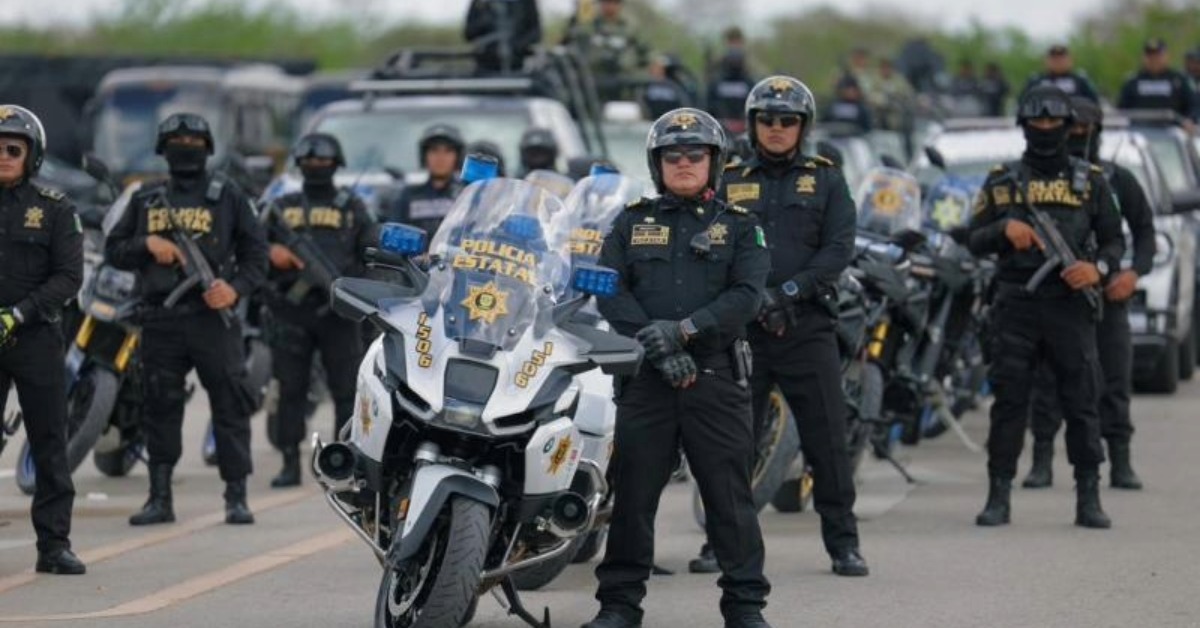
As Semana Santa travel begins, officials and road-safety specialists in Yucatán are warning that the busiest days ahead can also be the most dangerous. More vehicles, hotter weather, and unfamiliar routes are creating a riskier environment on roads leading into Mérida, the coast, and the state’s tourism corridors. The warning is not just about speeding. It reflects a broader holiday pattern that combines fatigue, alcohol, poor route planning, and stretched emergency response.
A holiday surge is already reshaping traffic
Holiday travel is changing conditions across Yucatán, with Mérida serving as the main urban hub for departures to beaches, cenotes, and inland towns. A road-safety specialist identified distraction, speeding, and alcohol as the three factors that keep appearing in serious crashes. State authorities have also activated a vacation safety operation with more than 4,000 personnel on roads, in tourist zones, and across emergency response. This is a public-safety story first, but it also serves as a timely warning for anyone planning to drive more than usual this week.
Why this period becomes more dangerous
The risk rises because several pressures arrive at once. Traffic increases quickly. Many drivers are tired, in a rush, or unfamiliar with local roads. At the same time, mid-30s temperatures can turn a routine trip into a hard drive, especially in poorly prepared vehicles for long distances. For visitors, that matters because Yucatán’s long, flat stretches can look easy until monotony, heat, or overconfidence lead to a bad decision.
Officials are reinforcing patrols in high-concentration areas, including main highways, beaches, churches, the Mérida airport, bus terminals, and commercial zones. The concern is not limited to car wrecks. Holiday periods also bring more calls involving rescues, dehydration, crowd pressure, and water-related emergencies. National health officials also issued a broader warning this week. They said accidents during Semana Santa can rise by 15 to 20 percent as travel, recreation, and family gatherings increase.
Where the pressure is likely to show
The state’s recent risk map points to familiar trouble spots. Among them are the Periférico de Mérida, the Mérida-Cancún highway, and the roads toward Progreso and Telchac. These corridors carry a mix of local traffic, freight, day-trippers, and visitors. When that mix meets speeding, alcohol, or poor lane discipline, minor mistakes can turn serious fast. The same warning also points to weaker signage and maintenance on some secondary roads and beach access routes, which matters even more for travelers who do not know the area.
The larger point is that the danger is not created by one single factor. It comes from overlap. A driver leaves late, faces heavier traffic than expected, spends hours in the heat, misses a turn, speeds up to recover time, and reacts badly. That is the pattern officials are trying to interrupt. The report even cites a projection of 13 deaths on roads and streets in Yucatán during this vacation period, which shows why authorities are treating the season as more than a routine travel rush.
What the warning means for readers
For international residents and visitors, the practical takeaway is simple. Do not treat Yucatán’s roads as effortless just because they are often straight and dry. Holiday driving here can shift from calm to chaotic around city exits, coastal turnoffs and crowded service areas. The safest approach remains basic: leave earlier, rest before driving, carry water, check the vehicle, respect speed limits, and keep alcohol out of the trip.
The official message is that prevention matters more than response. Once the holiday rush builds, emergency systems are working under heavier demand, and small delays can matter. That is why this Mérida-centered warning deserves attention beyond the city itself. It describes a statewide pattern that repeats every vacation season, but becomes more urgent when heat, traffic, and risky driving peak together.