Yucatán has opened its 2026 state artisan competitions, with new calls for embroidery and folk art makers in Mérida. The program combines preservation with market-focused innovation, and the prize pool reaches 330,000 pesos. For artisans, it is a funding opportunity. For residents and expats, it is also a clear signal of how the state is backing traditional crafts while pushing them into wider markets. The latest launch also builds on the higher participation seen last year.
A new 2026 push for Yucatán’s artisan sector
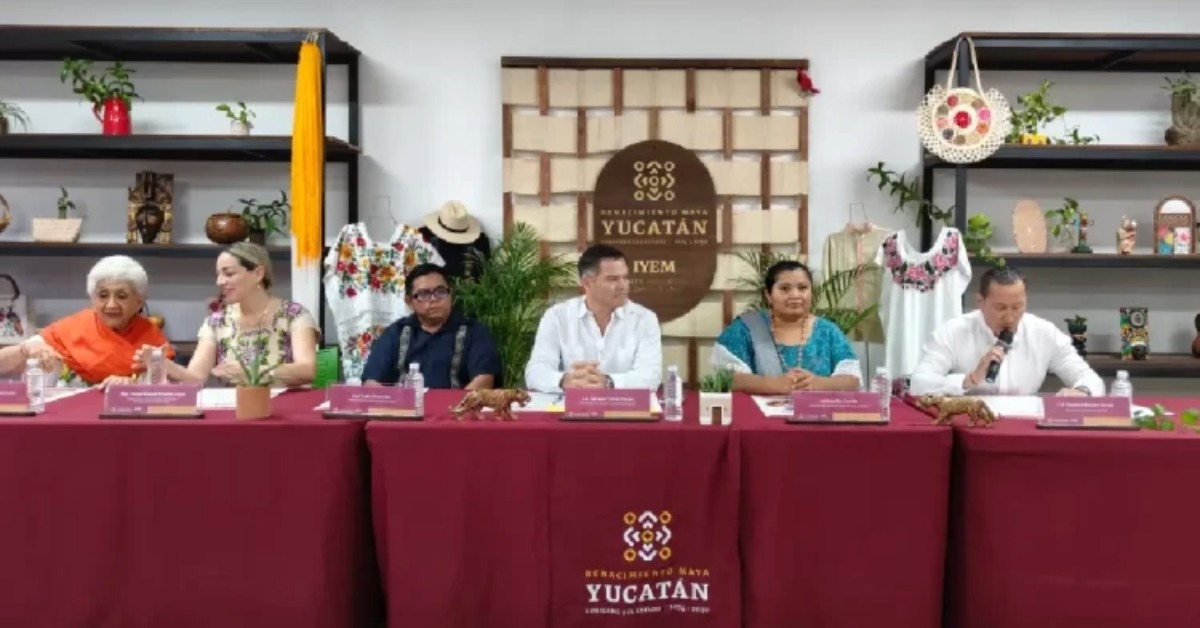
Yucatán has launched its 2026 state artisan competitions in Mérida through the Instituto Yucateco de Emprendedores, or IYEM. The new calls cover two tracks. One is the embroidery contest named Addy Rosa Cuaik. The other is the Yucatecan folk art contest. Together, they offer 330,000 pesos in prize funding. Officials said the purpose is to protect traditional craft techniques while encouraging new work. They also framed the program as an economic support tool for artisan families. The launch took place at the Salón Yucatán Emprende in Mérida. Local reports describe the contests as a way to raise quality standards and expand opportunities for artisans. They also connect the competitions to fairer trade and stronger promotion of certified local crafts. For residents, including expats who follow local culture, this announcement matters because it shows where public support is moving in 2026. It also gives municipalities a current framework for promoting local participation.
How the contests are structured this year
The prize pool is split between the two competitions. The embroidery contest will distribute 150,000 pesos, and the folk art contest will distribute 180,000 pesos. Both contests include a state award and innovation prizes. That detail is central to the 2026 rollout. The embroidery categories include cross-stitch, rescue-stitch techniques, pedal-machine embroidery, guayaberas, and an innovation track. The folk art contest includes carved and turned wood, plant fibers, jewelry, hammock weaving, and innovation. Separate local reports also describe prize tiers for first, second, and third place in multiple categories. They add that the calls include honorable mentions for older and younger artisans in the folk art competition. This broader structure gives more artisans a path to recognition. It also rewards technique, market potential, and continuity across generations. It may also increase entries from communities outside Mérida. That can improve regional representation in the final selections.
Why the launch matters beyond a cultural announcement
The 2026 launch also builds on a strong year of participation. IYEM officials said the 2025 edition received 395 entries in the embroidery contest and 128 in the folk art contest. They said that the total was nearly three times higher than in earlier editions. Those numbers help explain the tone of this year’s announcement. The state is presenting the contests as cultural policy, but also as local economic policy. In practice, the program can influence which crafts gain visibility during the year. It can also affect what buyers see at fairs, exhibitions, and official promotions. That matters in Yucatán, where artisan work is part of daily life and tourism spending. For readers trying to understand the local economy, this is more than a ceremonial launch. It is a measurable signal about which traditions the state plans to preserve, and how it wants artisans to compete in newer markets. It also shows sustained state attention to artisan production after last year’s higher turnout.