Mangrove tours along Yucatán’s north coast draw visitors into narrow channels and shallow wetlands. Small choices can leave long marks. In Dzilam de Bravo and Sisal, state trainers brought guides into a short, technical course on mangrove ecology. It focused on what people rarely notice from a boat, from salt-handling leaves to roots that breathe underwater. Officials say the idea is straightforward: better explanations can shape better behavior in sensitive zones. The next tour may look familiar, but it may be run with new priorities.
A coastal training built around two ports
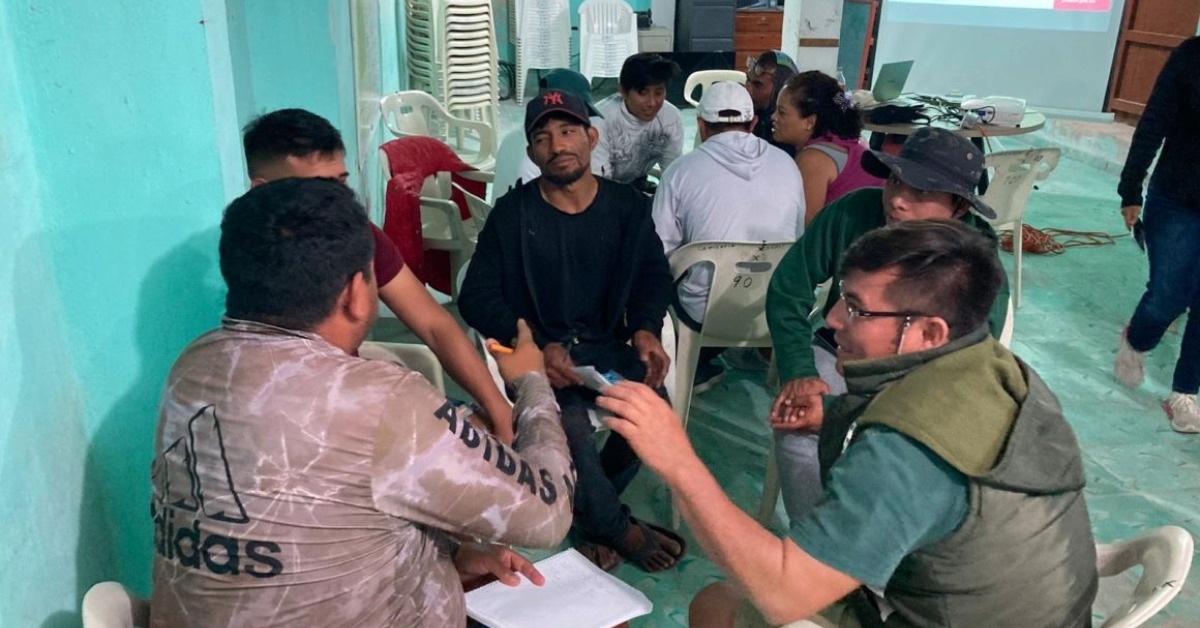
Yucatán’s Secretaría de Desarrollo Sustentable (SDS) held a mangrove ecology workshop for coastal tour guides in Dzilam de Bravo and Sisal. The sessions were designed to strengthen day-to-day decisions about the water and on-boardwalk routes. Guides often decide where to dock, when to idle engines, and how close groups should approach roots. On February 23, 2026, SDS trained 17 members from two Dzilam cooperatives that run nature tours. Two days later, on February 25, the same training was delivered in Sisal to 60 more guides and operators. In total, 77 service providers completed the sessions. Participants came from local groups that offer boat trips, kayak routes, and wildlife watching in the surrounding wetlands. Officials framed the program as a practical step toward sustainable tourism in places where visitor numbers can swing sharply by season. For residents, the goal is not to add rules on paper. It is to give guides a shared language to explain what visitors are seeing and why it matters.
What guides learned inside the mangrove workshop
The course focused on how mangroves function, not just how they look from a boat. Guides practiced identifying the mangrove species found in the Yucatán Peninsula and learned how each copes with salt. SDS trainers highlighted viviparity, where seeds begin germinating while still attached to the tree. They also covered tannins, natural compounds that help protect mangroves from insects and fungi. Another emphasis was on anatomy that tourists often miss at first glance. That includes salt-excreting glands on leaves and root structures that let plants breathe in waterlogged soils. The aim was to help guides translate those details into clear explanations during tours. Instructors also encouraged guides to read visitor behavior early, then adjust pacing and stopping points. When visitors understand the ecosystem’s mechanics, they tend to keep a safer distance from roots and shorelines. That matters in narrow channels where wakes, footsteps, and careless handling can cause long-term stress for years.
Why mangroves matter for safety, water, and local income
SDS asked guides to link every tour story back to real benefits that people can measure. Mangroves reduce wave energy and help buffer the coast during storms and hurricanes. They also improve water quality by acting as a biological filter in coastal wetlands. For wildlife tours, guides were trained to link habitat protection to the species visitors hope to see, including the pink flamingo. Sisal sits alongside the state reserve known as El Palmar, while Dzilam’s tours operate within a large protected wetland system. In both areas, tourism and fishing depend on the integrity of nursery habitat. Officials also argued that greater technical knowledge can improve service quality and, over time, raise cooperatives’ earnings. Better interpretation can also reduce conflict when visitors arrive with different expectations about access. For many expat residents, these tours are an easy weekend trip from Mérida or the coast. The training is meant to make those outings more consistent and less damaging, without turning them into lectures.